Colclough
If you have notes on accuracy, content, site links, or any other requests regarding this page, please get ahold of us at contact@hamiltonandsonsauctions.com.
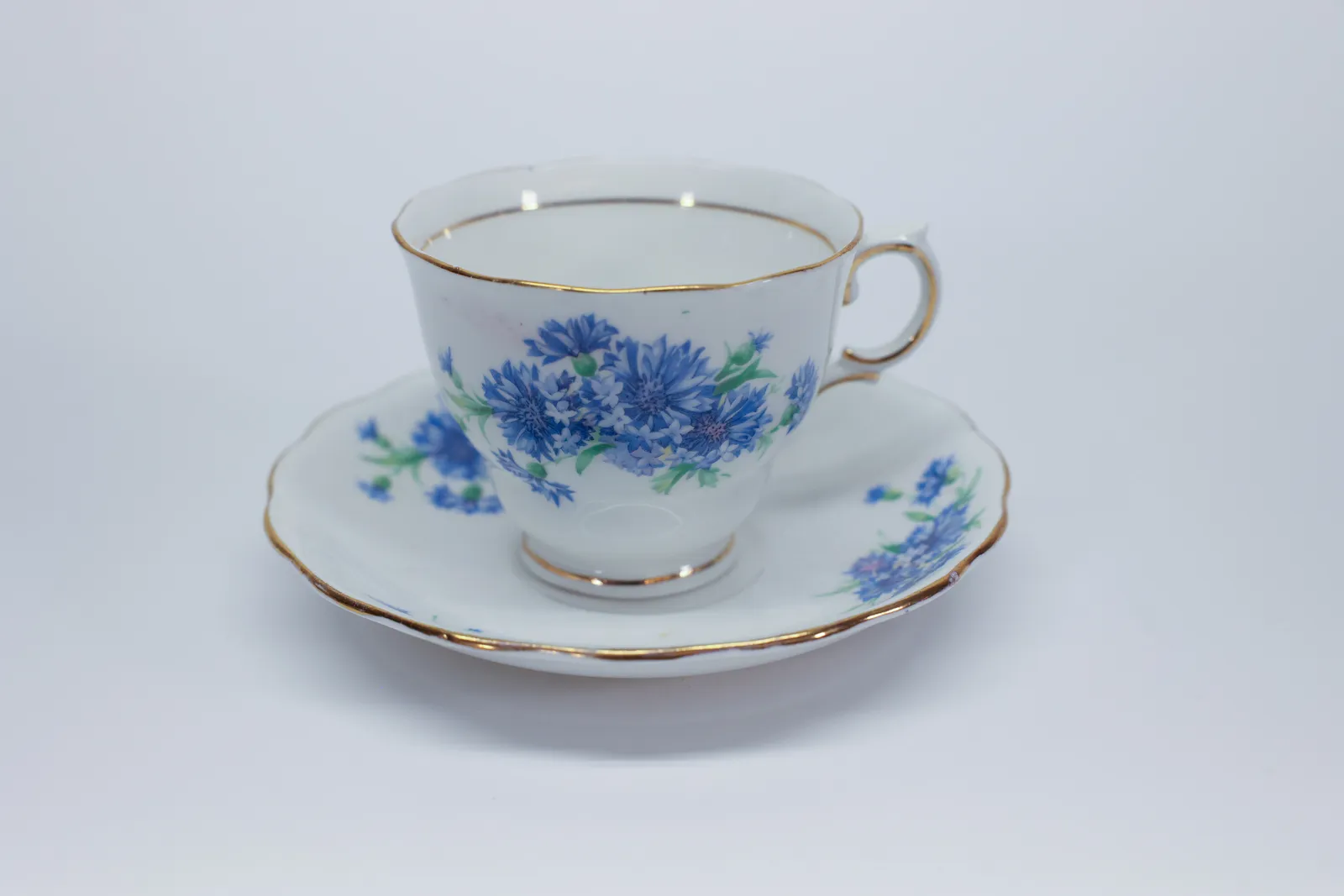
Colclough was an English bone china manufacturer based in Longton, Stoke-on-Trent, Staffordshire, founded by Herbert Joseph Colclough, an ex-Mayor of Stoke-on-Trent. Colclough's operated in Longton from 1907, although the business dates back to 1897, and at one time they advertised themselves as "Britain's largest manufacturer of Bone China Teaware." The firm built its reputation on quality domestic tea and dinnerware rather than grand exhibition pieces, and Colclough is famed for being the first pottery to make fine bone china sold by the piece, meaning people did not need to buy whole services to begin their collections, a genuinely democratizing innovation in an industry long dominated by expensive commissioned sets.
The company's standing was reinforced by royal recognition: the company used the trade name Royal Vale following a factory visit and royal licence from King George V in 1913. Through the twentieth century Colclough expanded and changed hands several times, and Colclough bone china continued to be produced during this period, with much of the well-known and most popular Colclough china patterns, including Wayside, Ivy Leaf, Hedgerow and Braganza, becoming firm favourites among collectors of English floral teaware. The brand eventually became part of the Ridgway and then Royal Doulton groups, and production of all Colclough lines was discontinued in 1996.
Because Colclough wares were prized for their delicate, translucent bone china body, gilded rims, and charming hand-applied floral transfer patterns, complete cups, saucers, and tea sets in well-preserved condition remain popular with collectors of vintage English china today, particularly examples bearing the earlier factory marks and royal-licensed Royal Vale backstamp.
Sources: