Royal Copenhagen
If you have notes on accuracy, content, site links, or any other requests regarding this page, please get ahold of us at contact@hamiltonandsonsauctions.com.
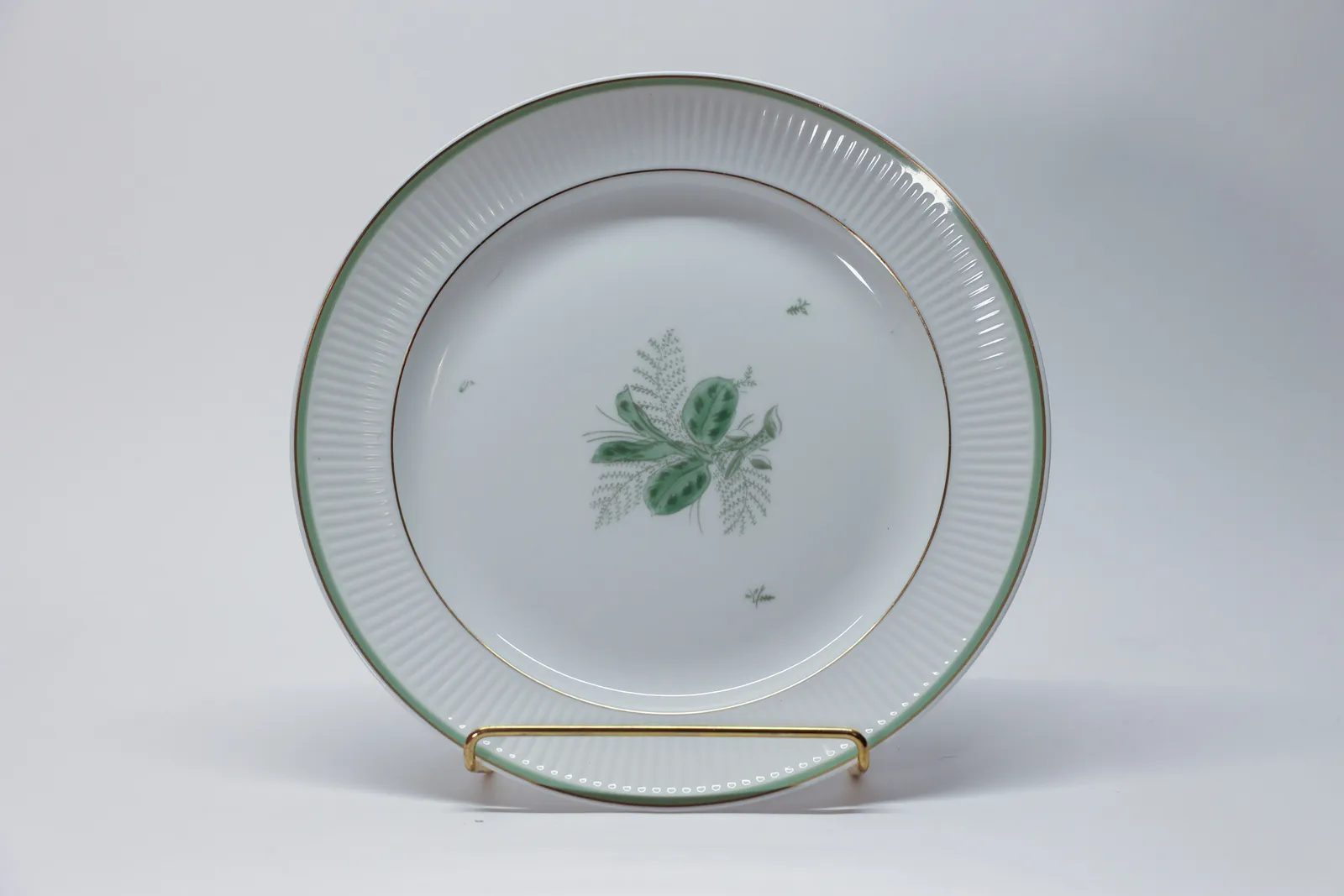
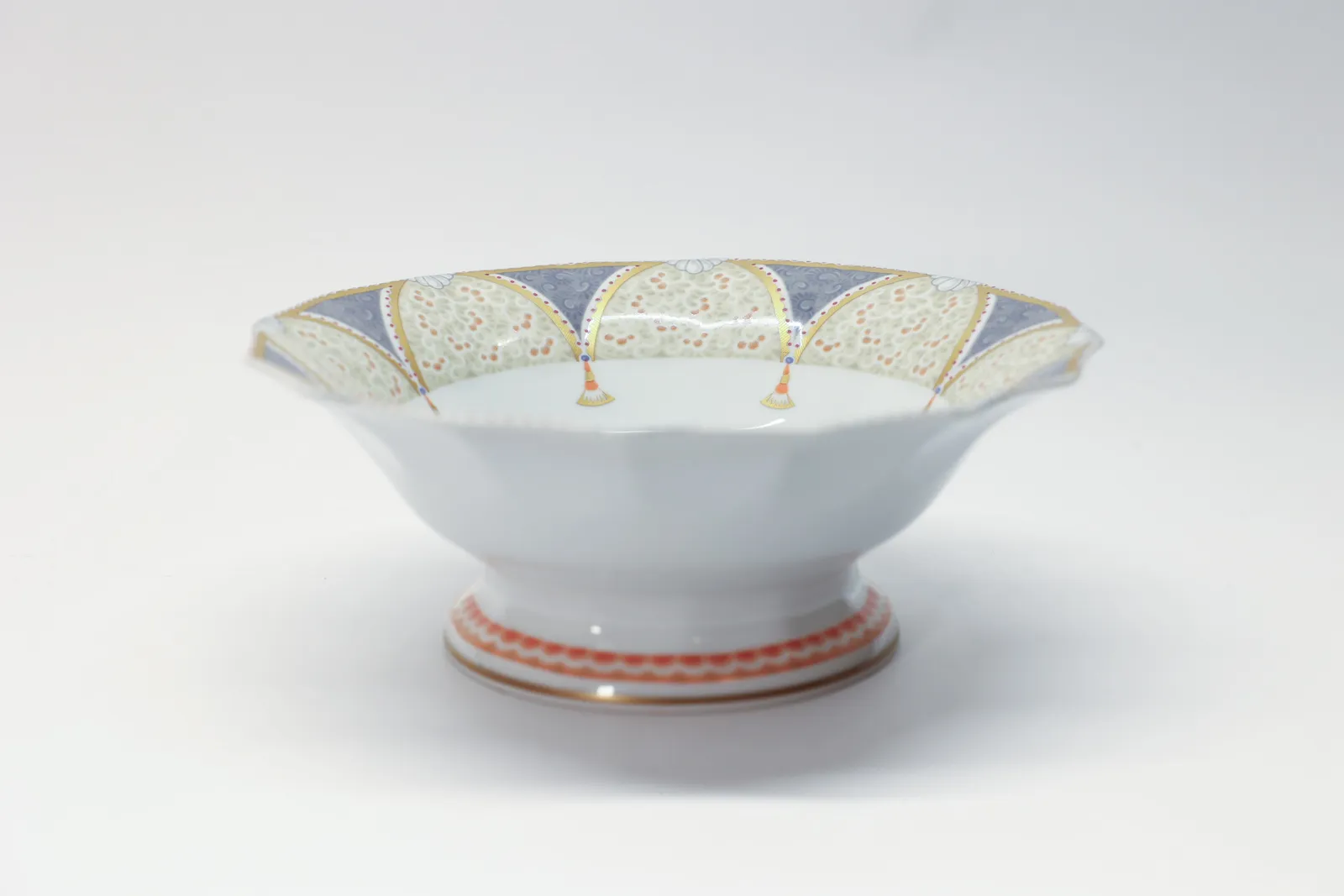
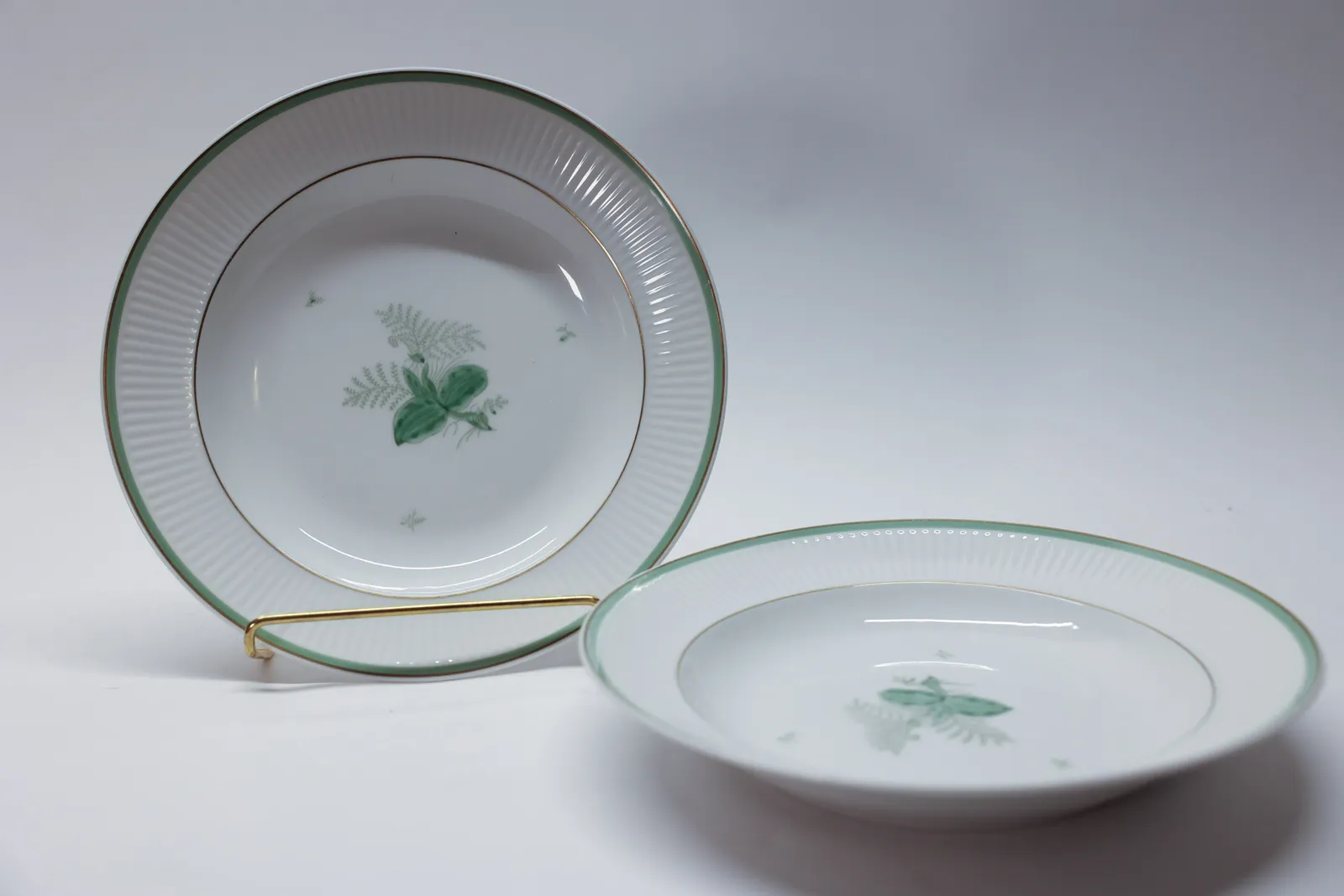
Royal Copenhagen is one of Europe's oldest and most renowned porcelain manufacturers, founded in Copenhagen in 1775 under the patronage of the Danish crown. Royal Copenhagen, officially the Royal Porcelain Factory, is a Danish manufacturer of porcelain products and was founded in Copenhagen in 1775 under the protection of Danish Dowager Queen Juliane Marie. The factory was founded by a chemist, Frantz Heinrich Müller, who was given a 50-year monopoly. From its earliest days the firm has been identified by its distinctive mark, since it is recognized by its factory mark, the three wavy lines above each other, symbolizing Denmark's three waterways: Storebælt, Lillebælt and Øresund.
The company built its reputation on meticulously hand-painted tableware, most famously the Blue Fluted pattern, which was the very first design the factory produced, and the lavish Flora Danica service. The Flora Danica blue fluted dinnerware with a floral pattern was introduced in 1790, initially commissioned for Catherine the Great of Russia. Later, under new ownership, the manufactory sharpened its artistic ambitions; the architect Arnold Krog was appointed artistic leader of the factory as of 1 January 1885, and his first initiative was to trim the traditional fluted patterns. Throughout the twentieth century, Royal Copenhagen continued to attract major design talent, and during the Danish Modern period, dinner services and individual pieces were created by artists such as Thorkild Olsen, Axel Salto, Gertrud Vasegaard, Erik Magnussen, Henning Koppel and Grethe Meyer, in a style that was modern, simple and romantic.
Royal Copenhagen porcelain is prized by collectors for its combination of fine hard-paste porcelain, painstaking hand-decoration (each piece traditionally hand-painted under the glaze), and the long, continuous history embodied in its wavy-line factory mark and pattern numbering system. Because dinnerware and figurines have been produced continuously since 1775 with evolving marks and dates, pieces can often be dated precisely, making well-preserved examples of classic patterns like Blue Fluted and Flora Danica, as well as figures by noted twentieth-century designers, especially sought after by collectors of European ceramics.
Sources: