Sadler
If you have notes on accuracy, content, site links, or any other requests regarding this page, please get ahold of us at contact@hamiltonandsonsauctions.com.
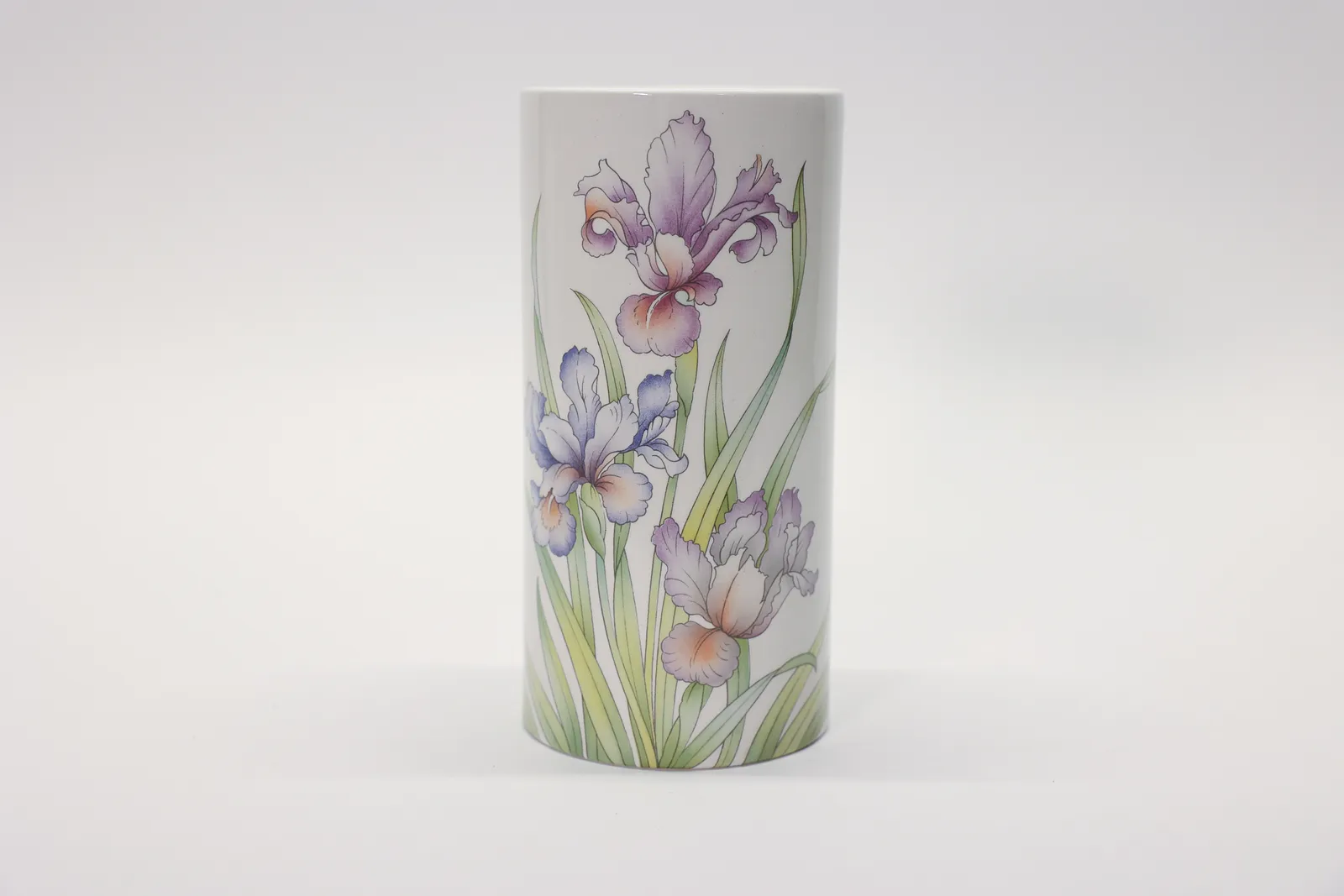
Sadler is a well-known name in English ceramics, tracing back to James Sadler, who founded the pottery firm James Sadler & Sons Ltd in Burslem, Stoke-on-Trent, in 1882, at the heart of England's Staffordshire pottery district. James Sadler started his business, Sadler & Co., in 1882 at Reginald St, Burslem, moving to the Wellington Pottery, Newport St, Burslem, in about 1899, and his sons Edward, John and E. J. Sadler joined the business, which was renamed James Sadler & Sons Ltd around 1899. In 1920 they took over the Central Pottery, Burslem, which was being run by John Sadler, and closed the Wellington Works, renaming them the Wellington and Central Potteries.
The firm built its reputation primarily on teapots, especially the classic "Brown Betty," and became a household name for well-made, affordable earthenware. They began making novelty shaped teapots in the 1930s, including Crinoline ladies, a father Christmas teapot and, in 1938, the iconic racing car teapot, followed by a tank with "Old Bill" as the lid in 1947. Beyond teapots, Sadler was primarily a specialist manufacturer of plain and fancy teapots, but the company also produced art pottery, kitchenware under the "Kleen" brand, vases, giftware and novelties. By 1955 the company had 500 employees and the product range expanded to include vases and jardinieres, kitchen sets, mixing bowls and souvenirs by the 1970s.
Sadler's decorative wares, including hand-finished floral vases like this one, are valued by collectors for their crisp transfer-and-hand-painted botanical decoration and the firm's long, well-documented history of quality Staffordshire earthenware production. The company's output spanned over a century before the business faced financial difficulty; after over 100 years of production, James Sadler & Sons Ltd sadly went into receivership in 2000, and the brand was later acquired by Churchill China, which continued to release a few limited-edition Sadler teapots for collectors. This long production history, combined with distinctive backstamps that help authenticate pieces, has made original Sadler ceramics popular with collectors of English pottery today.
Sources: