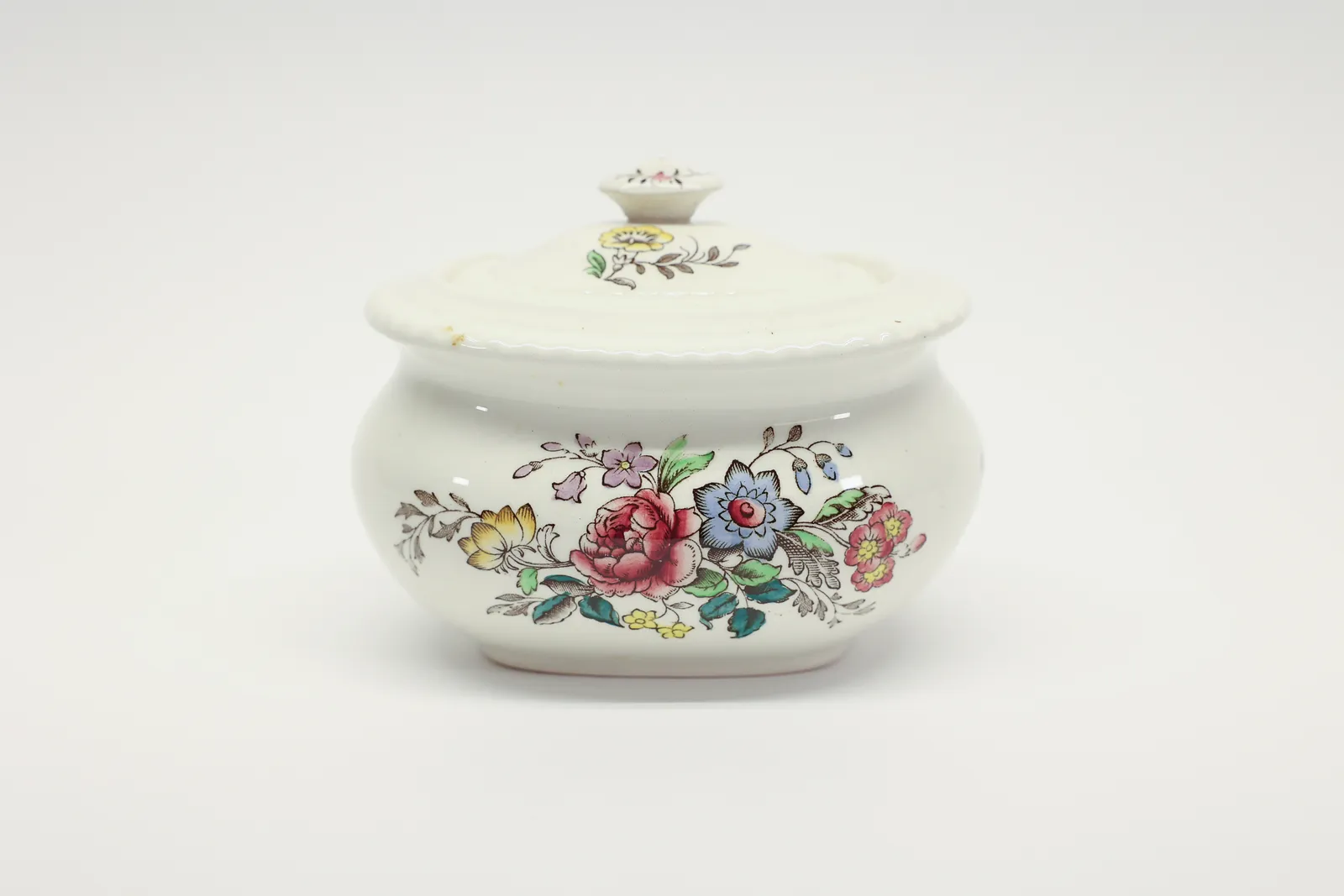
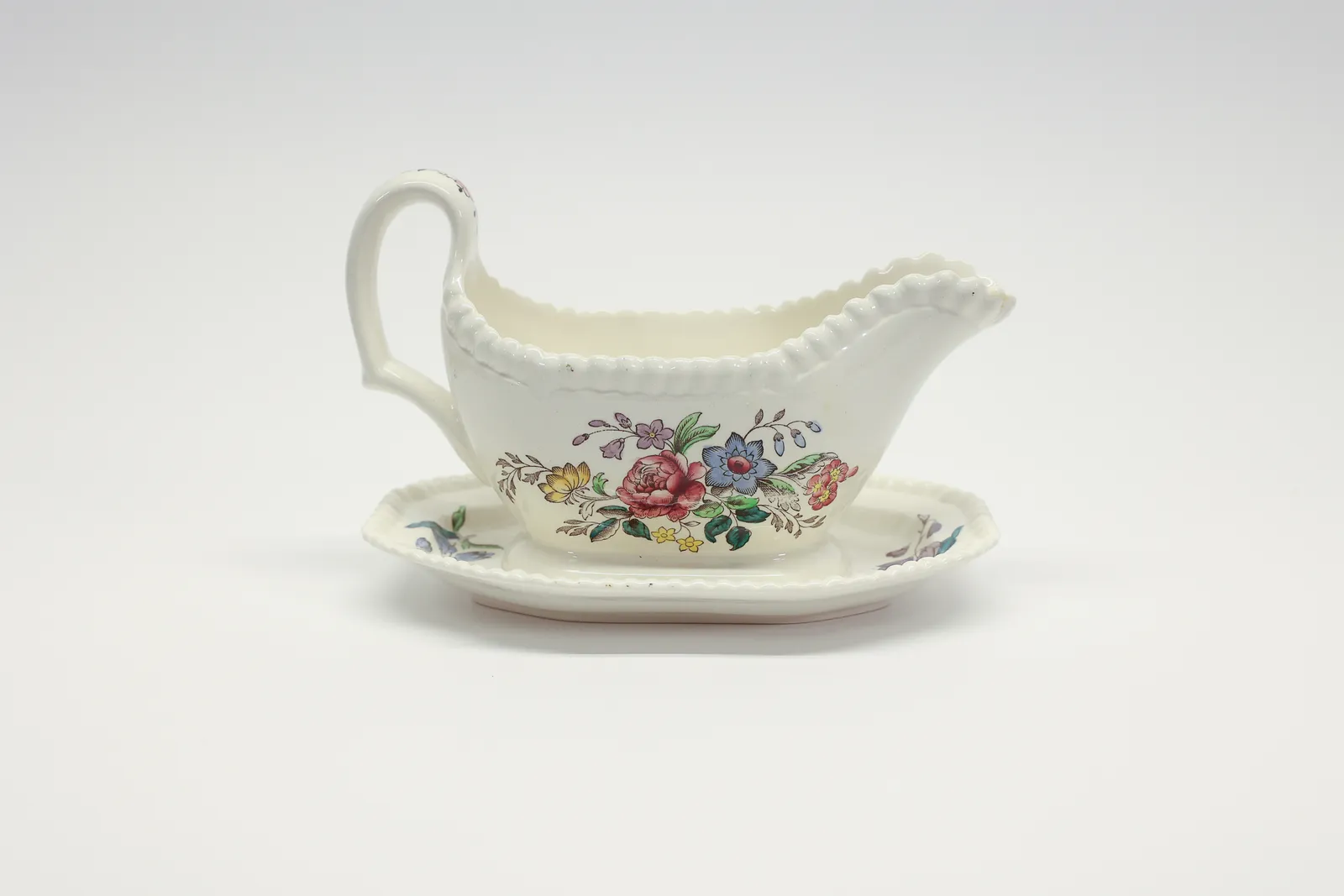
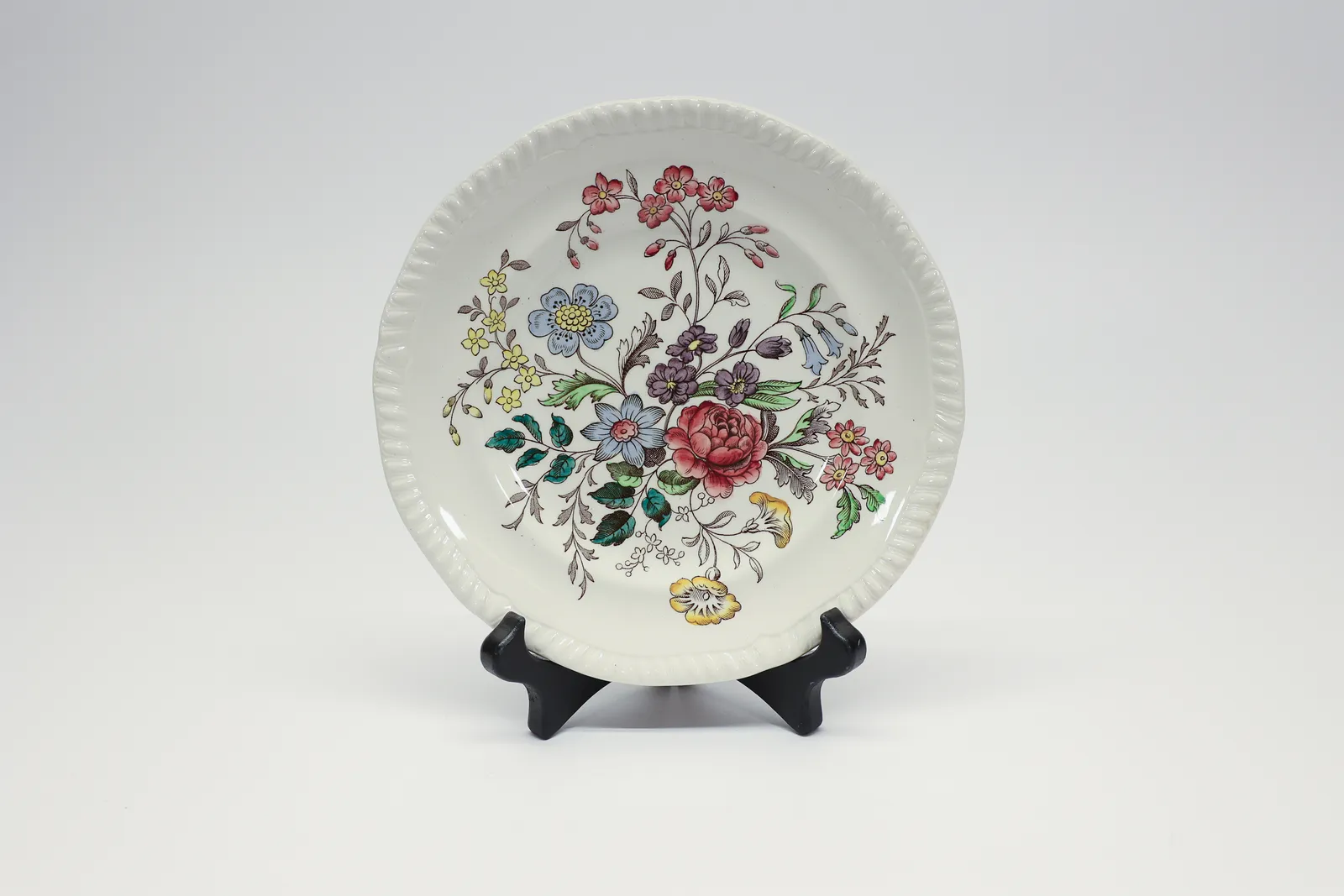
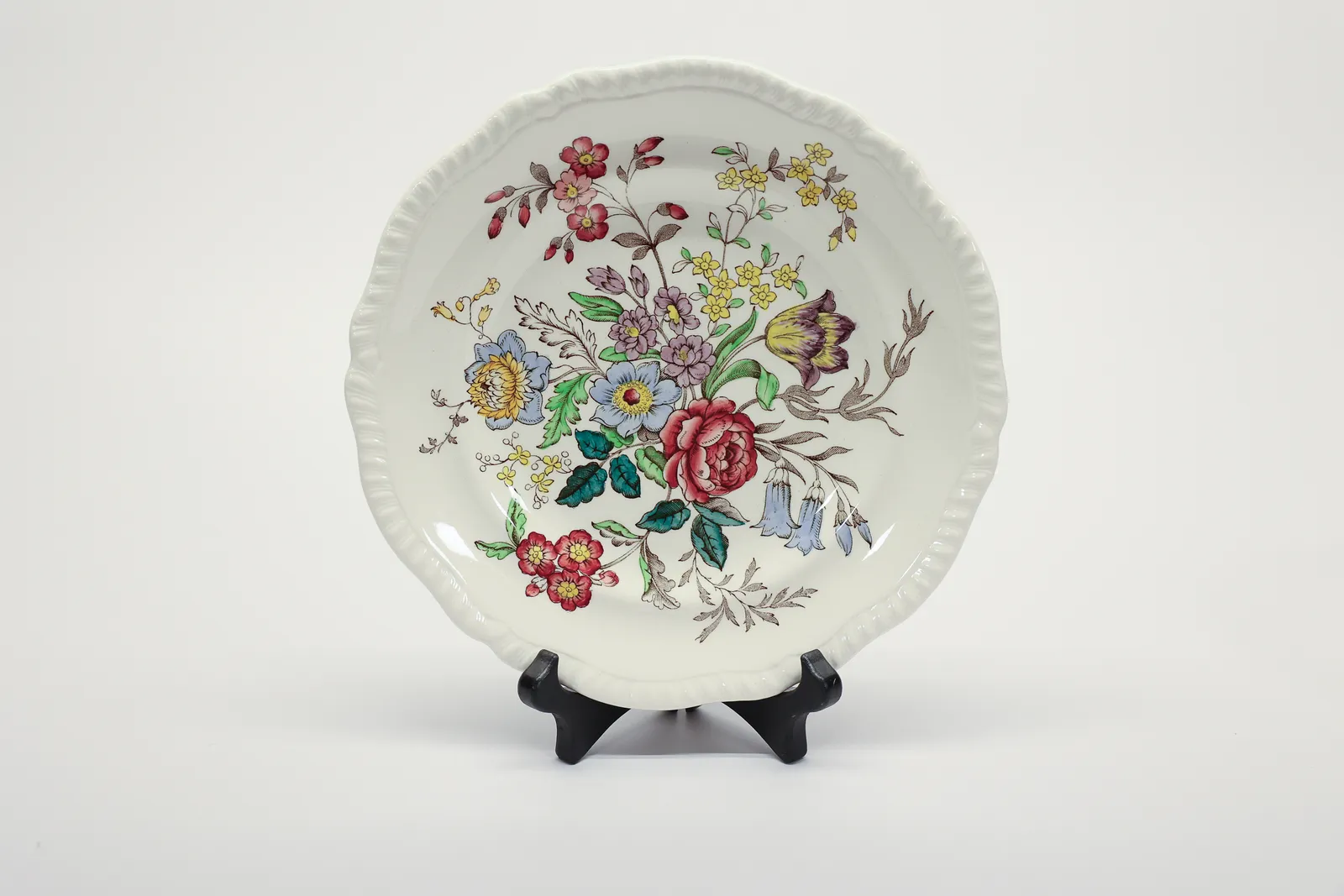
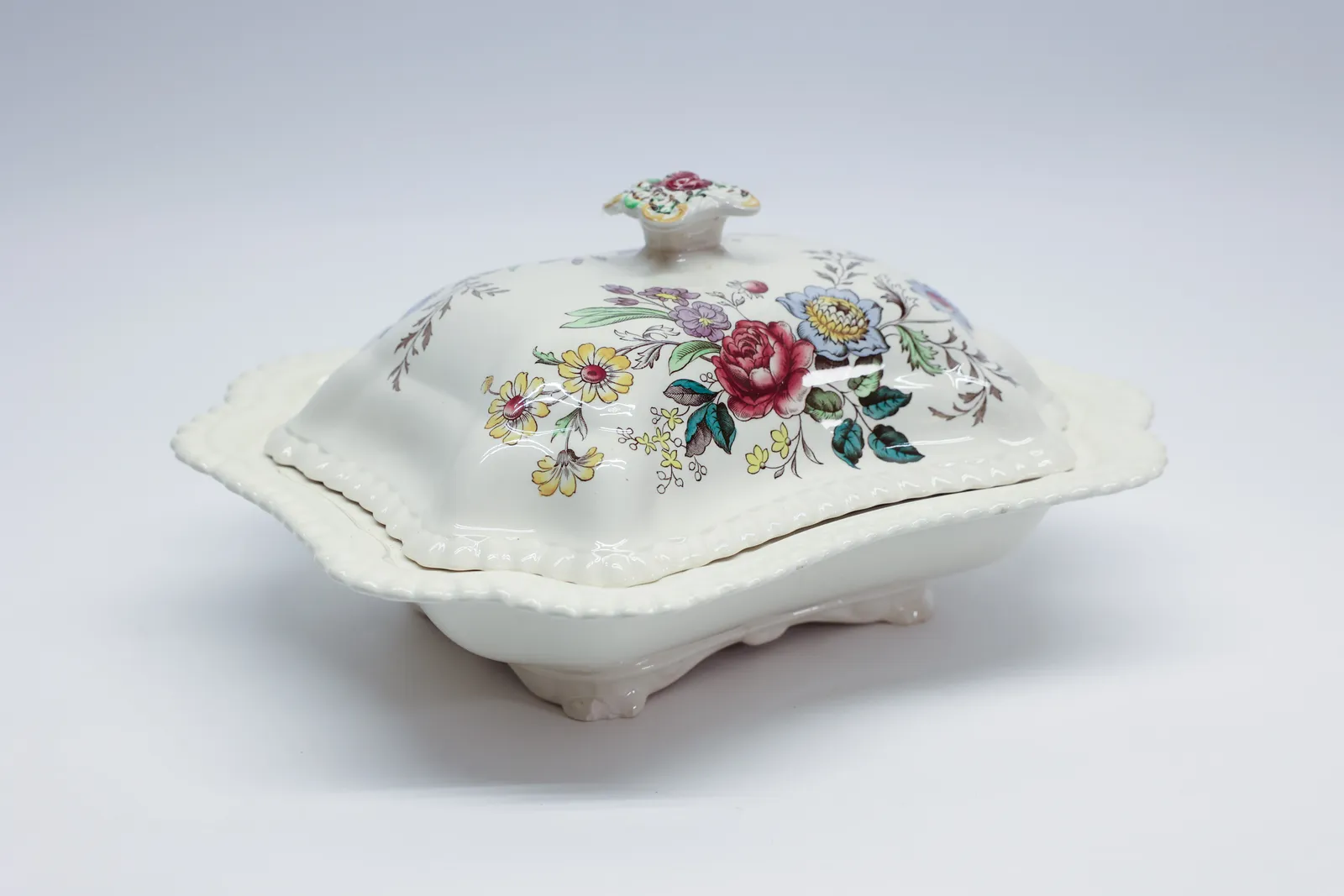
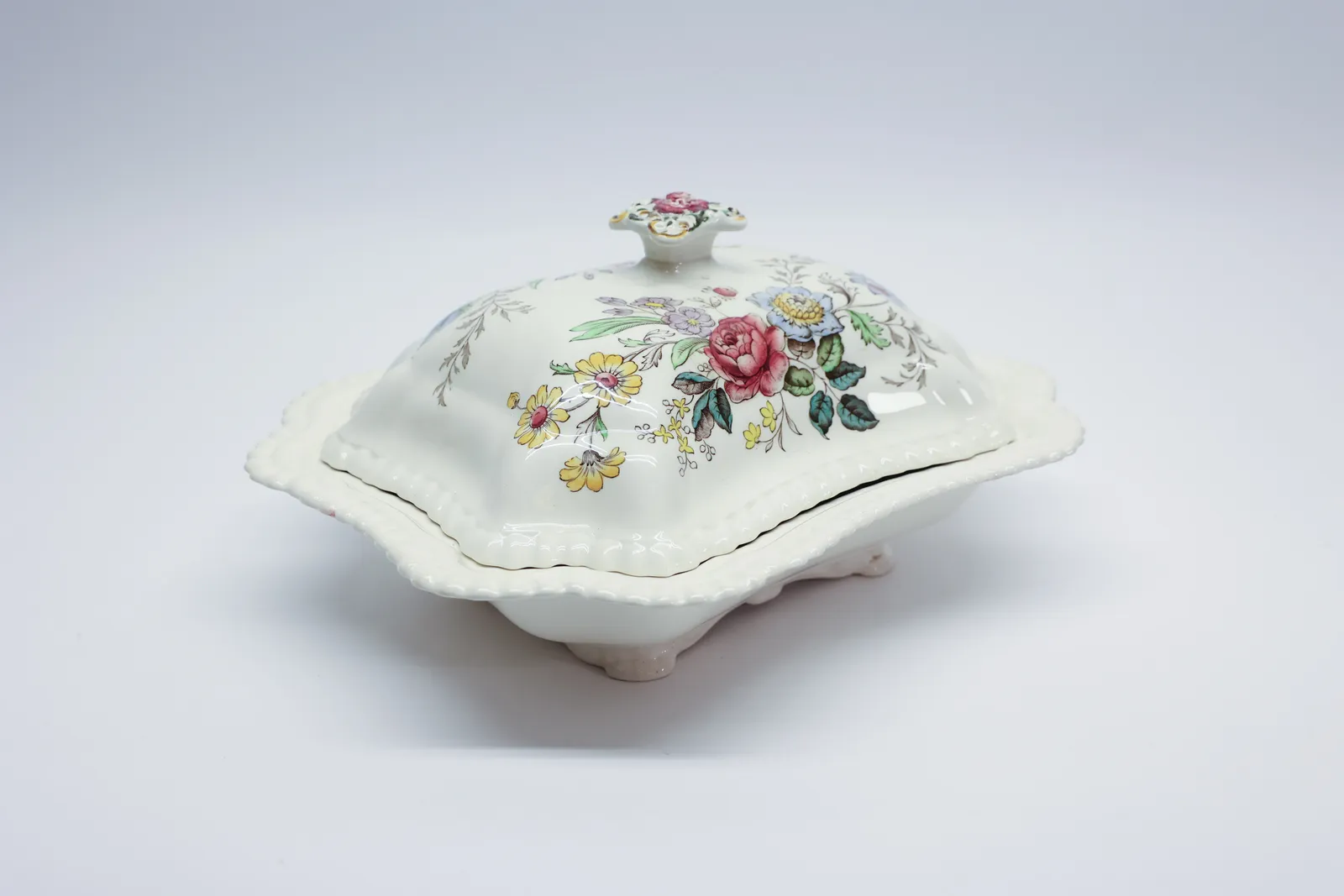
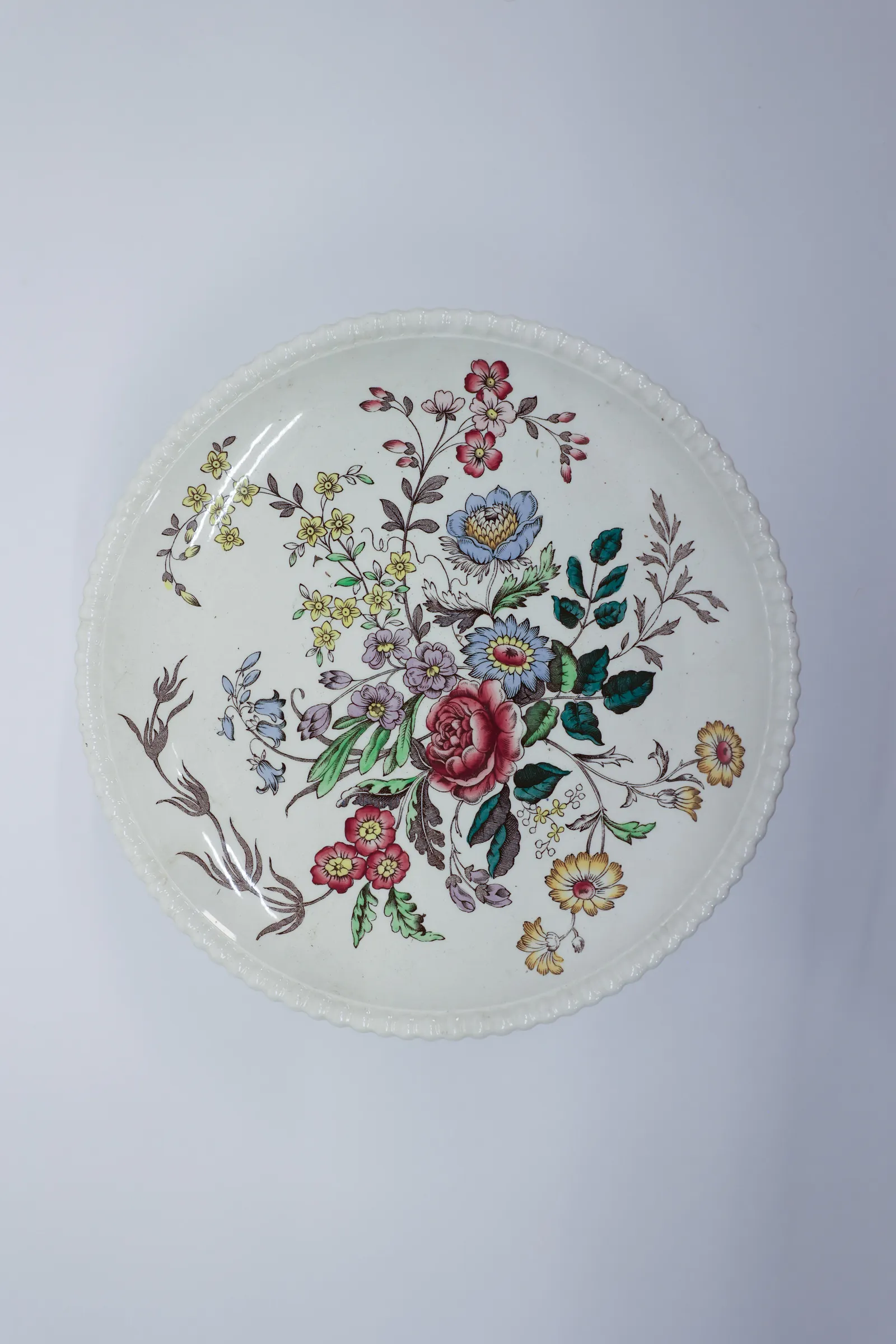
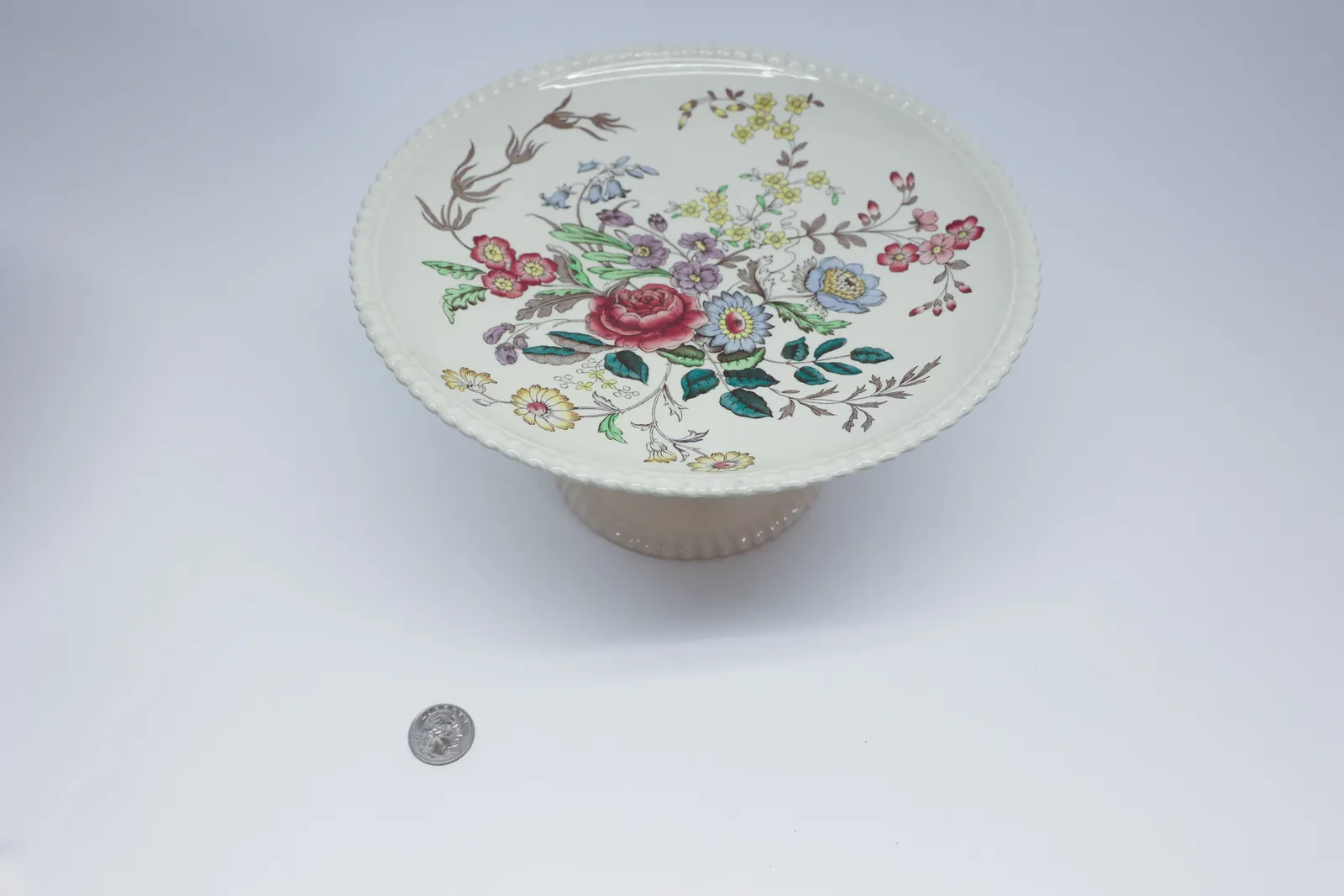
Spode
If you have notes on accuracy, content, site links, or any other requests regarding this page, please get ahold of us at contact@hamiltonandsonsauctions.com.
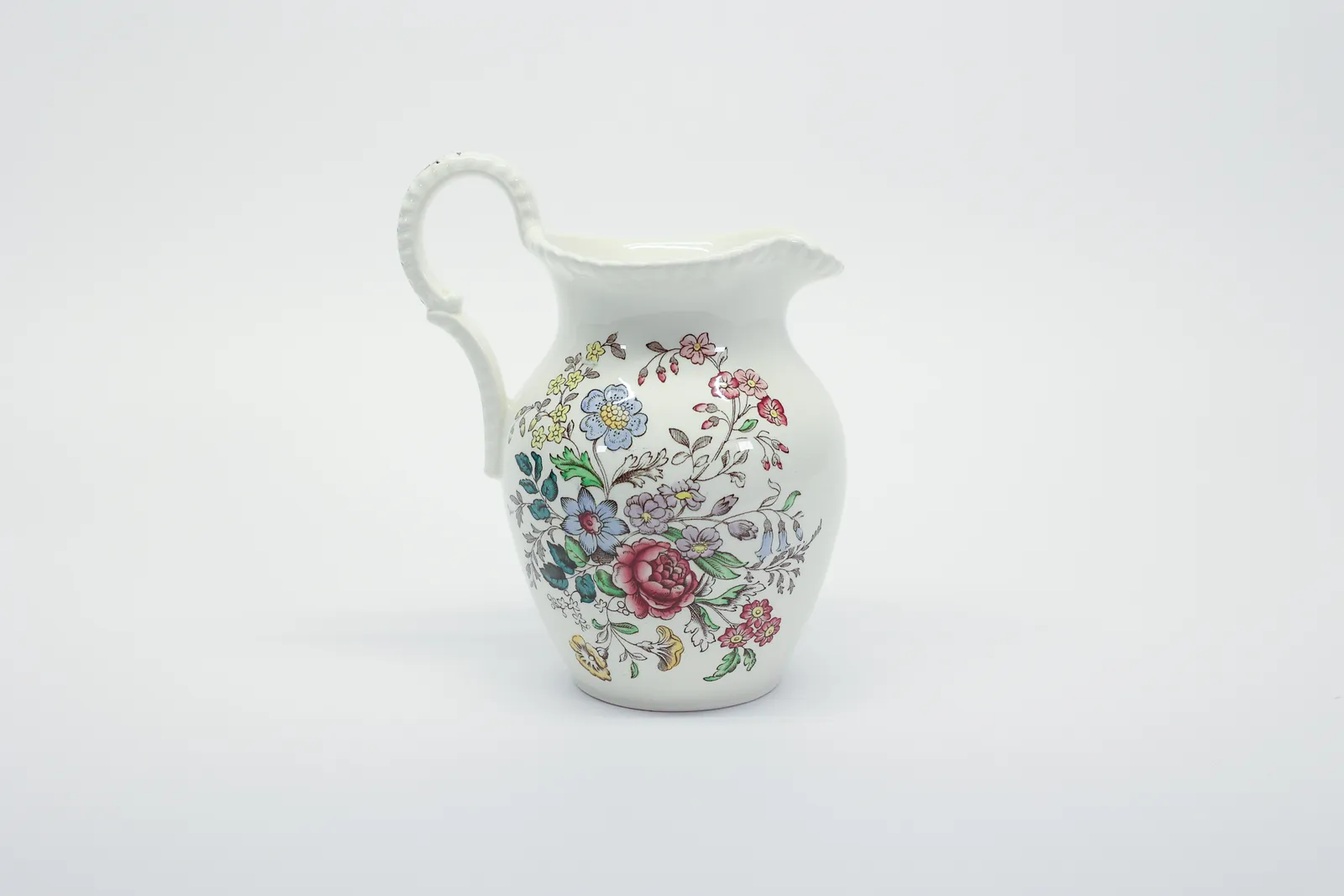
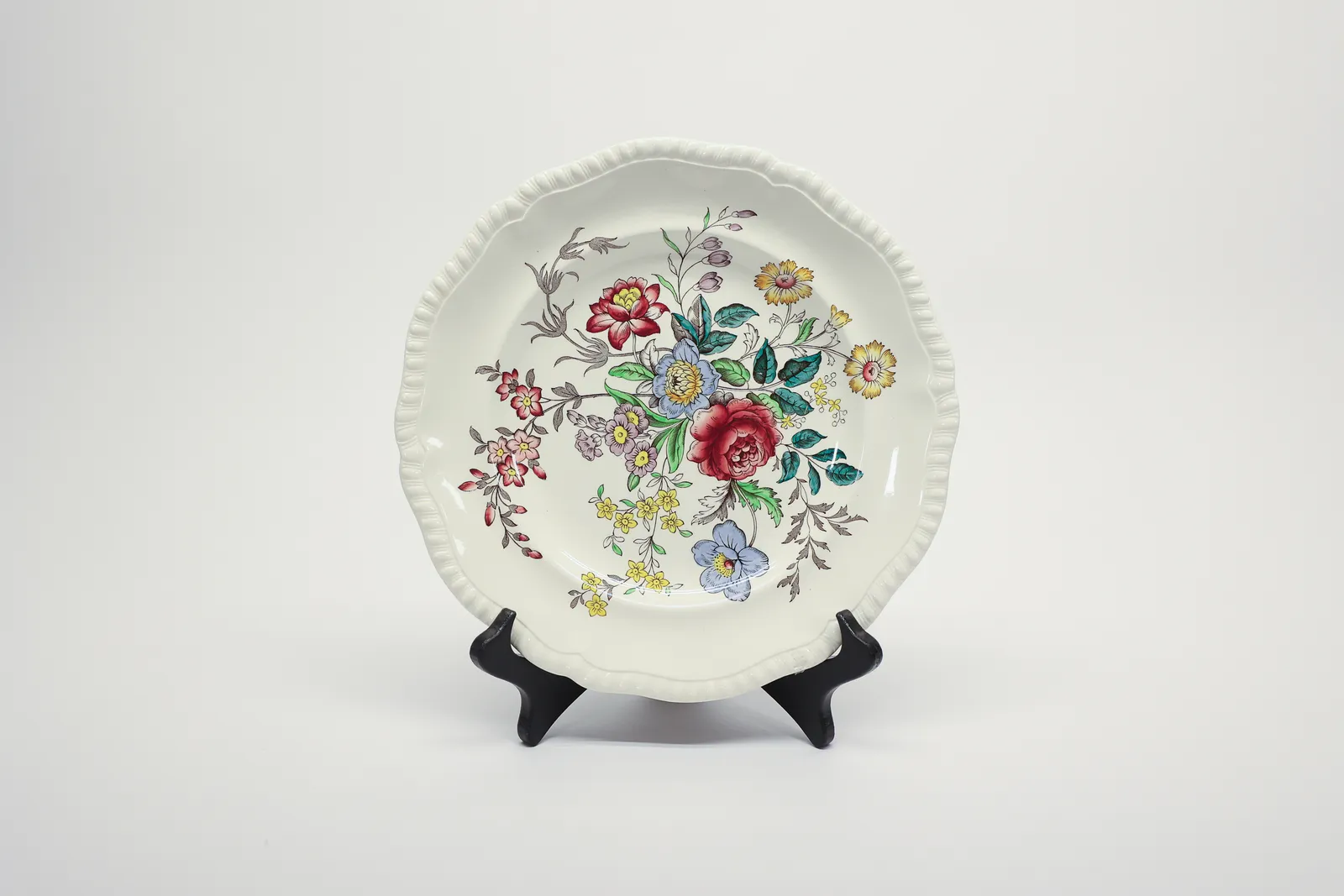
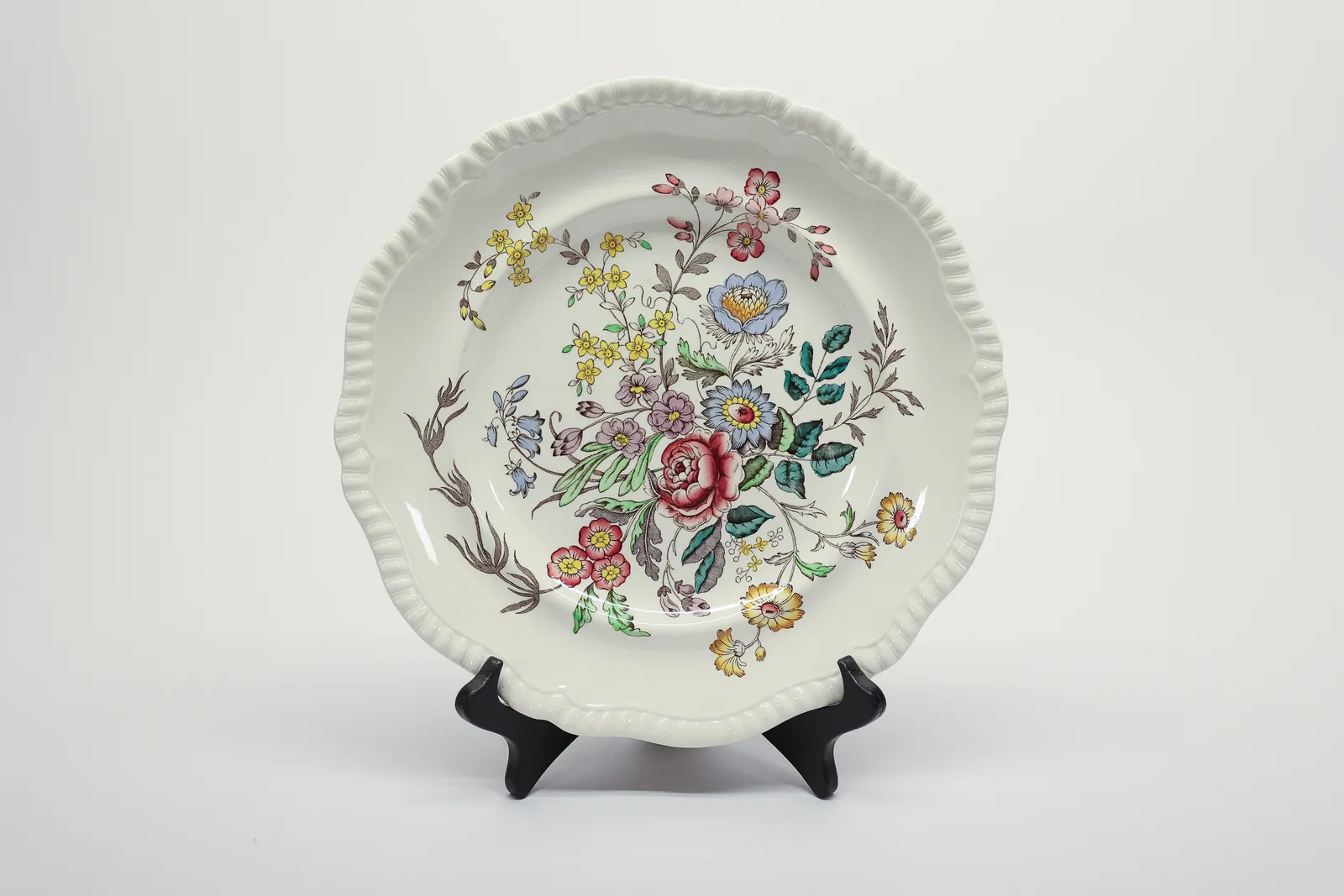
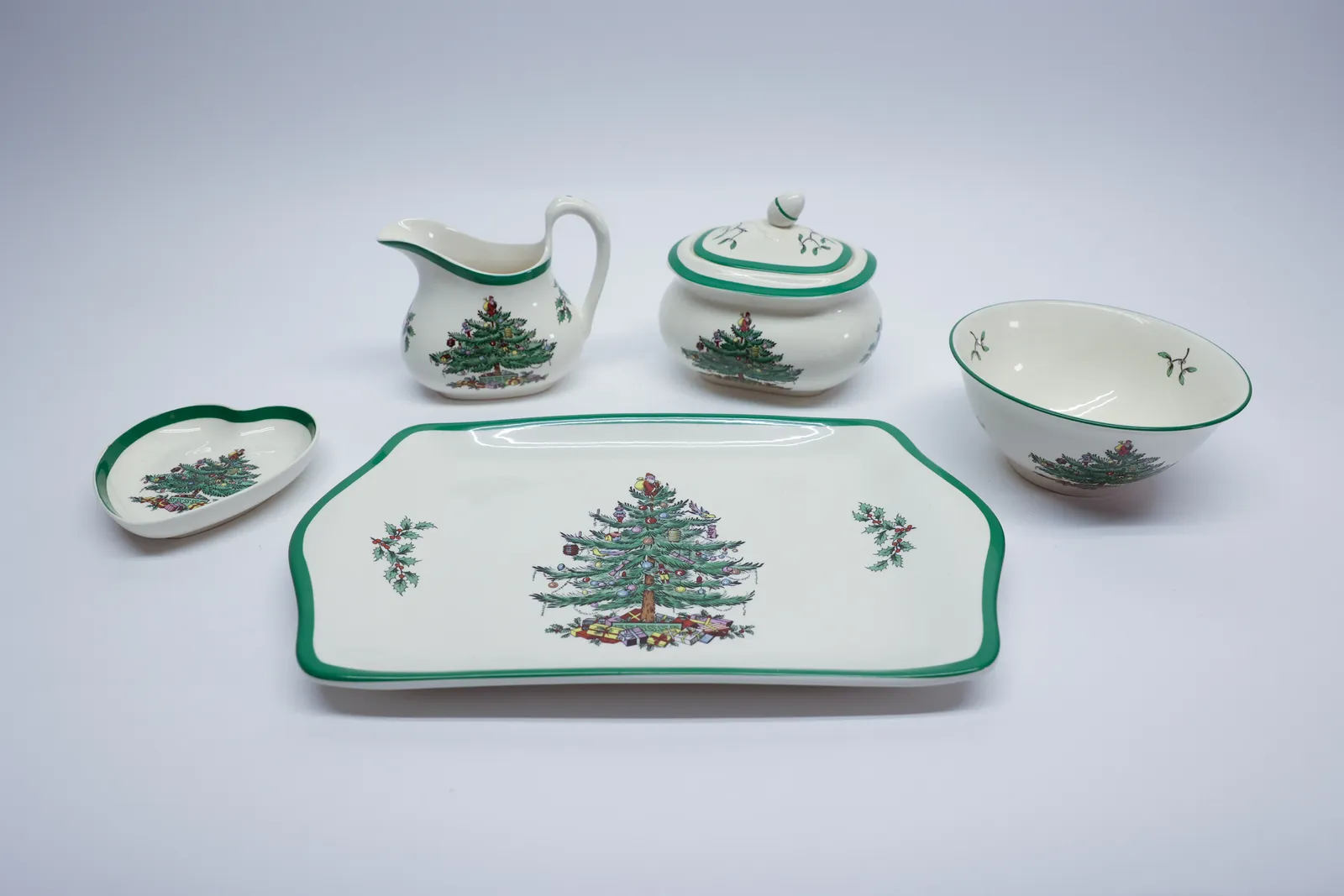
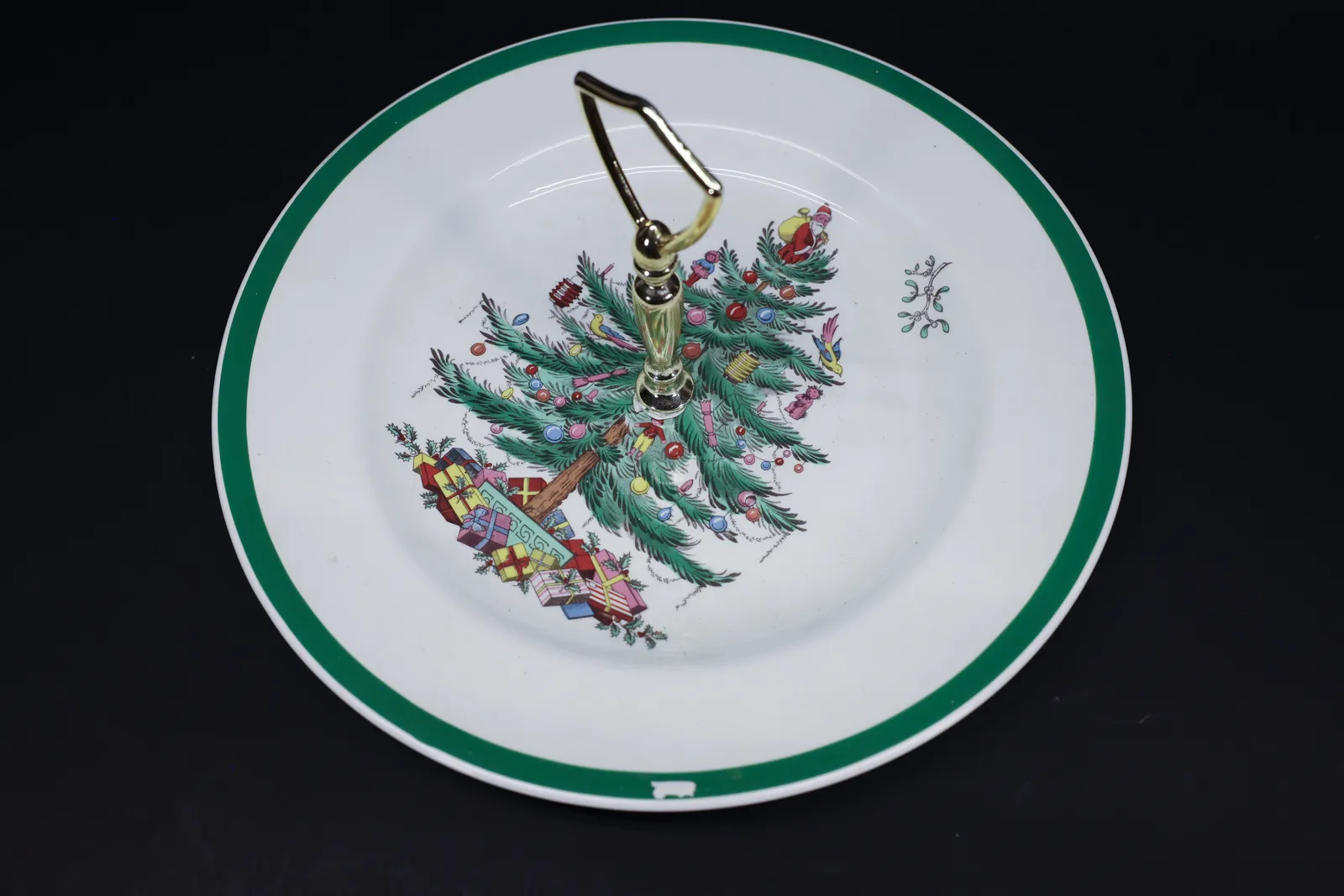
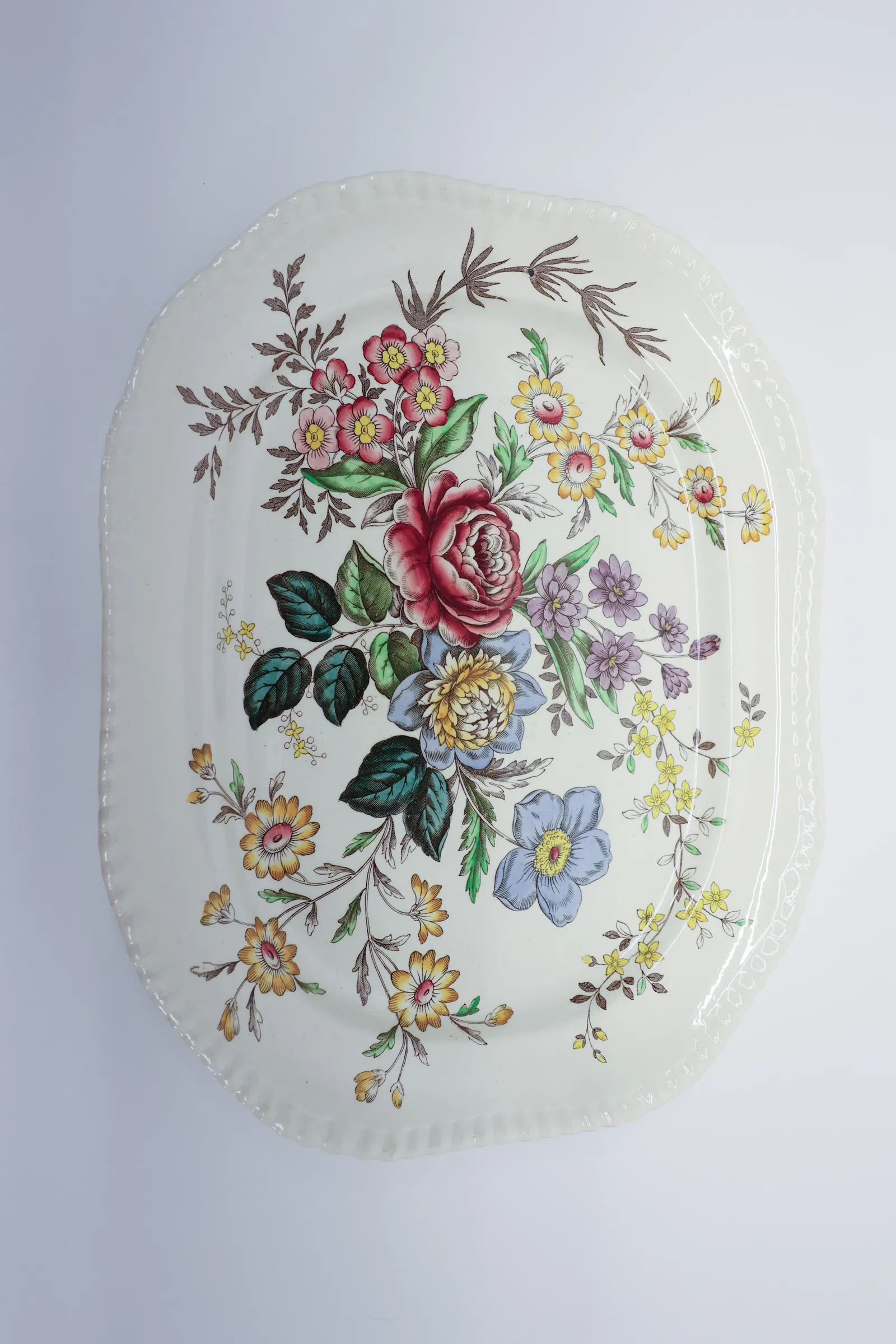
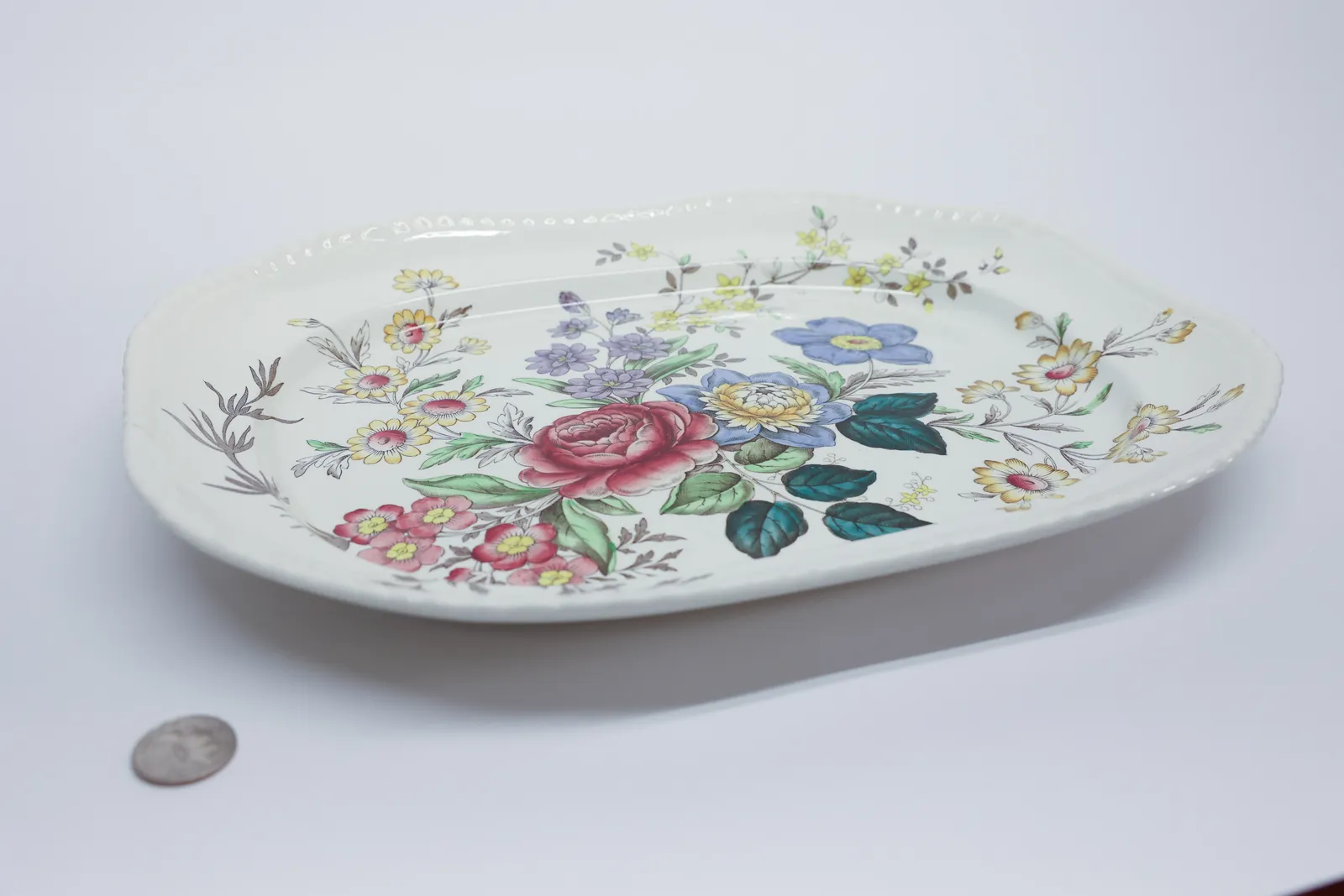
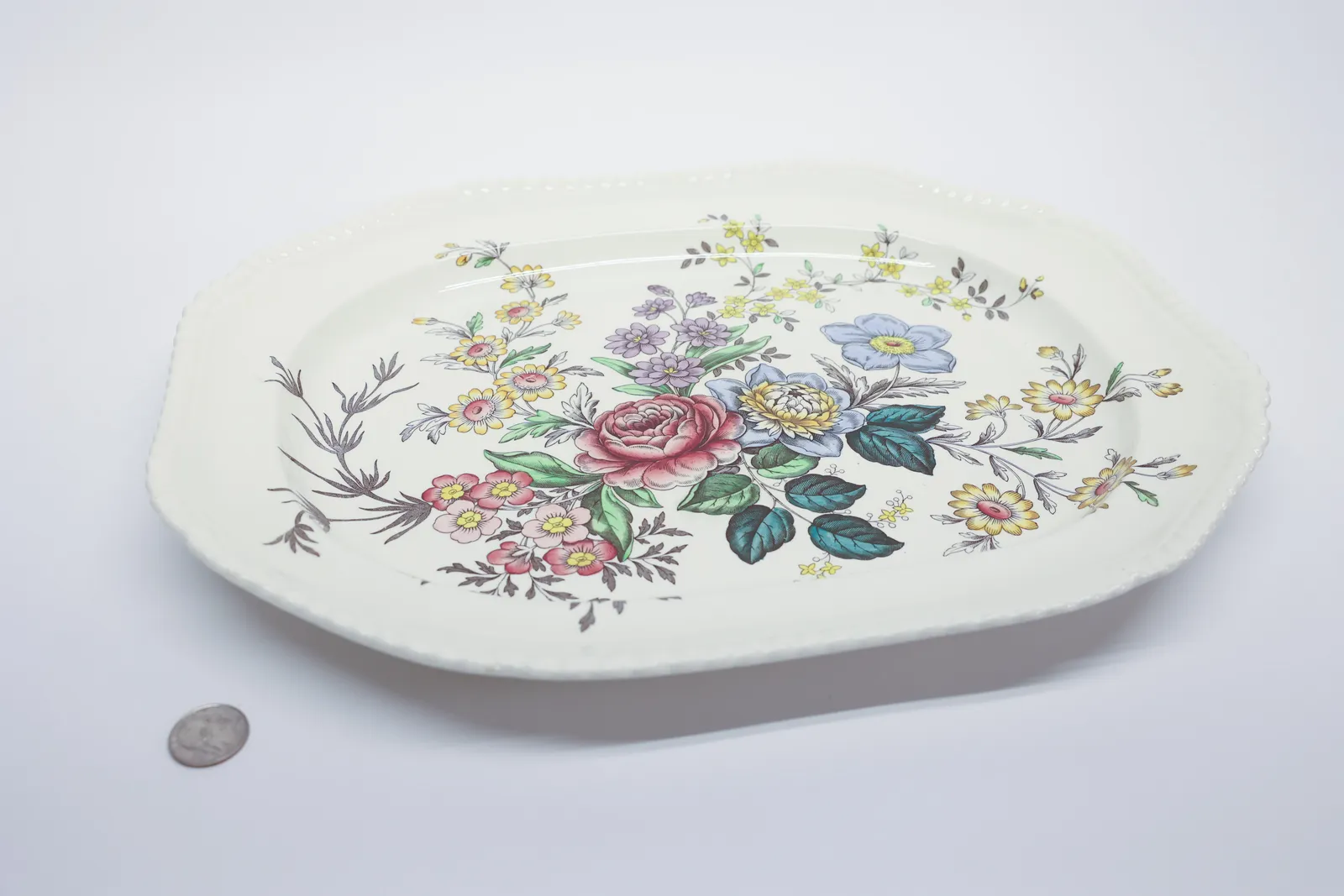
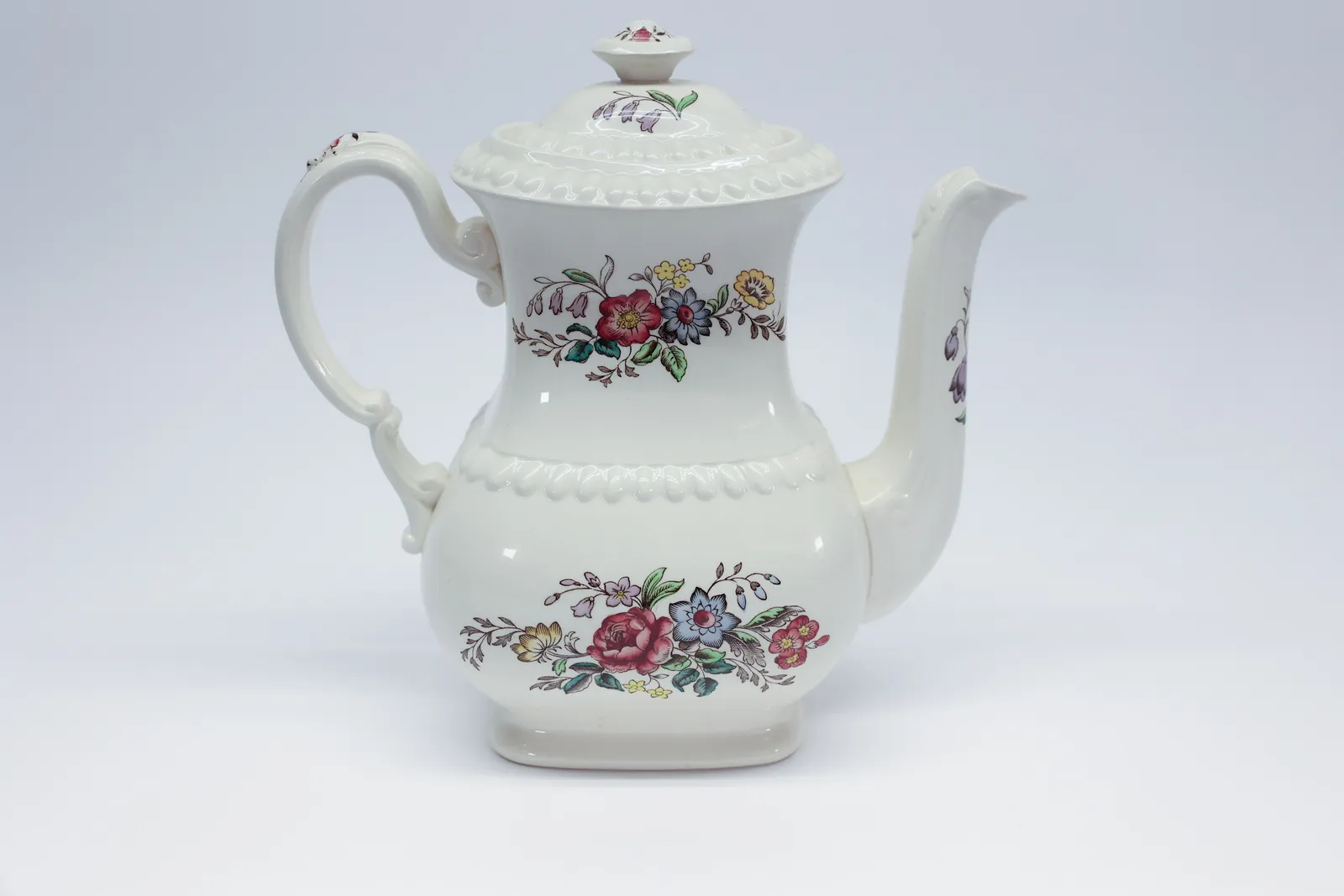
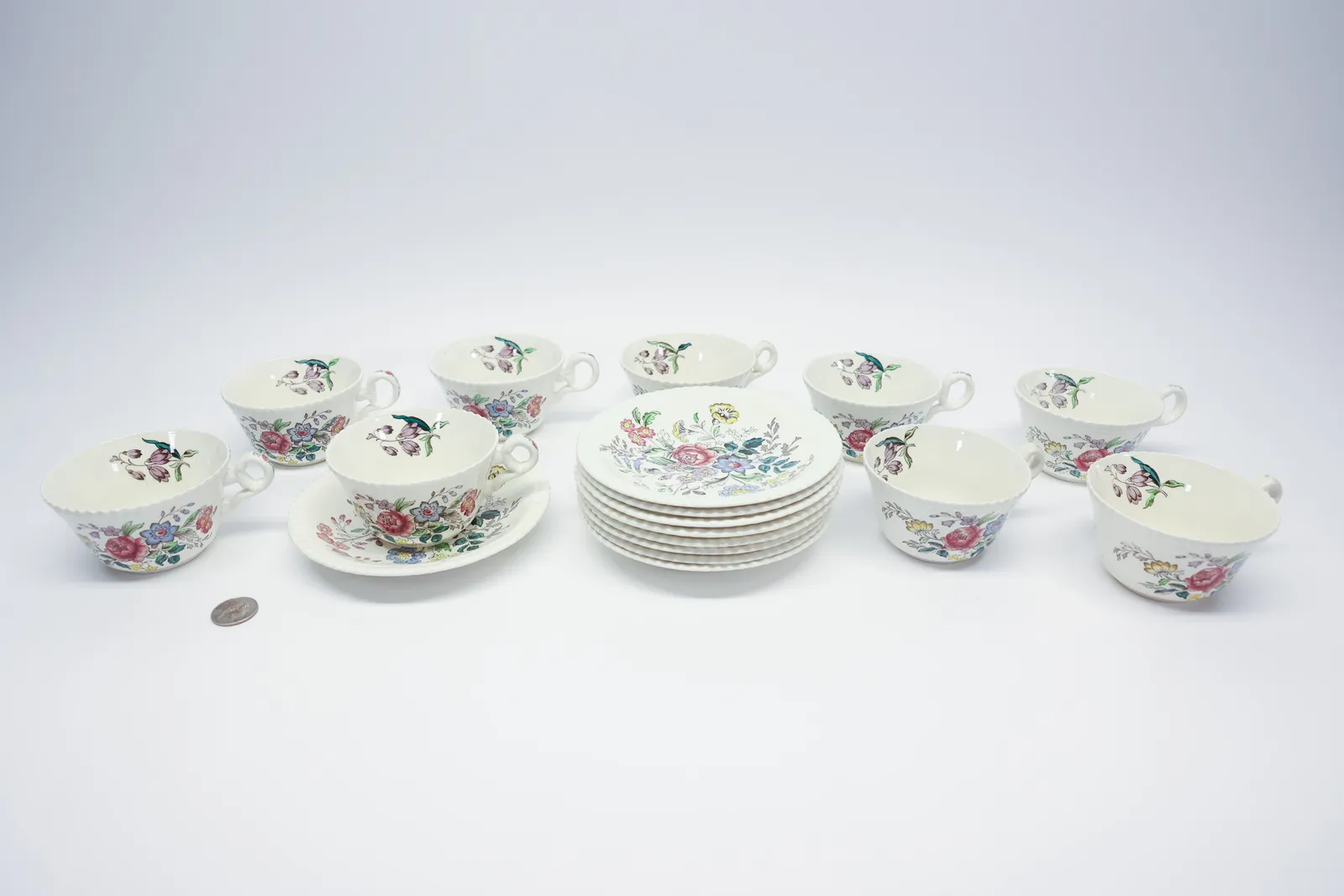
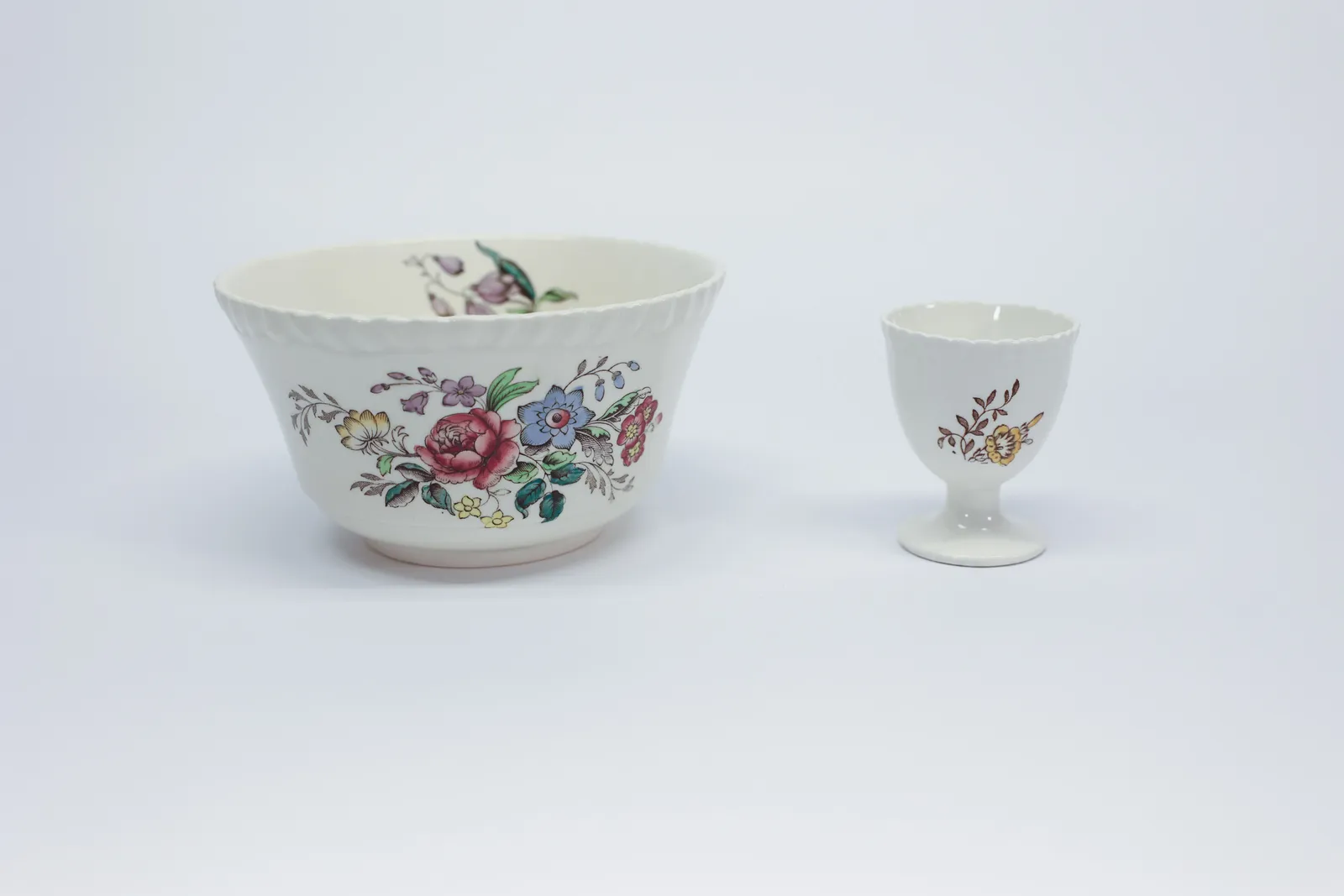
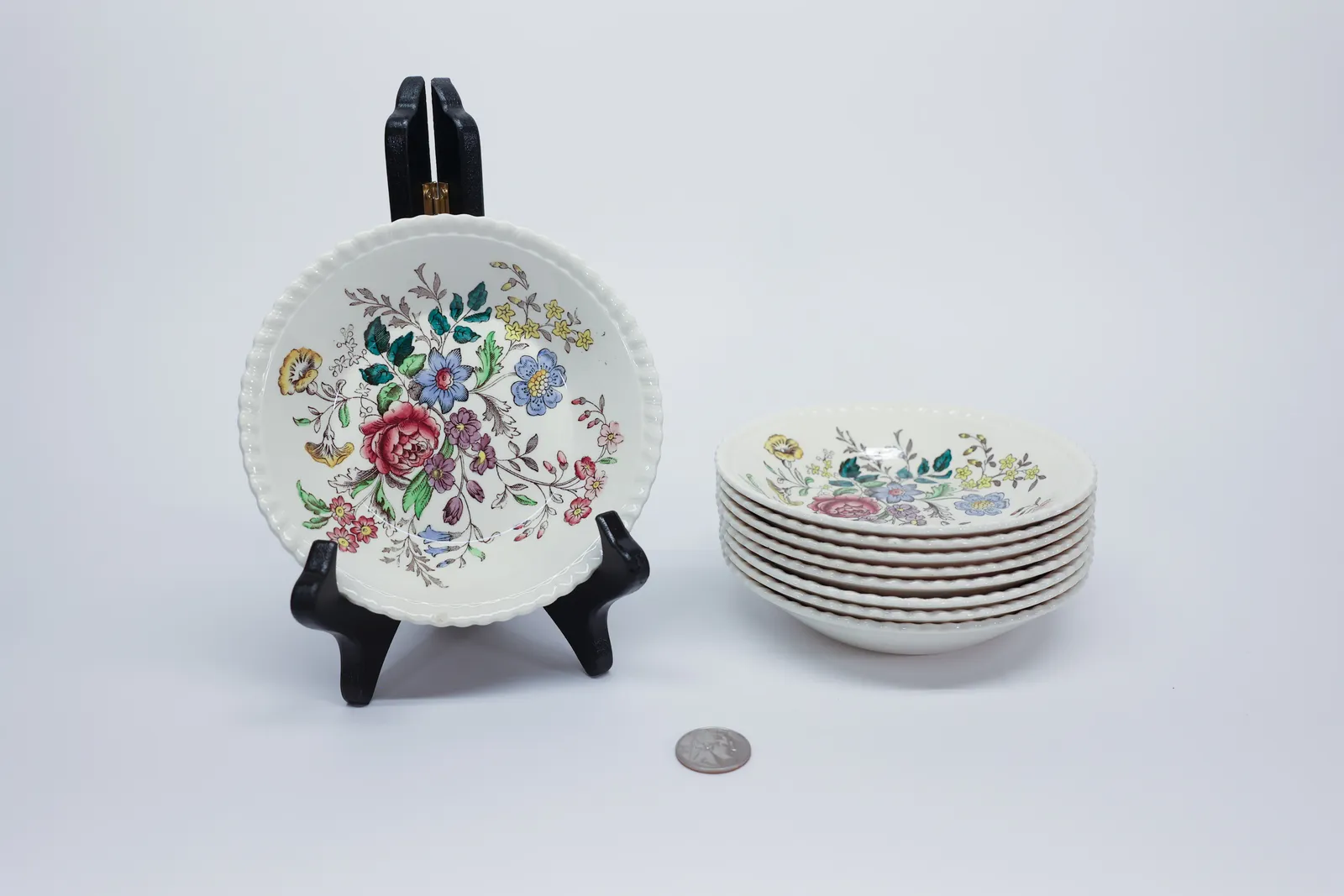
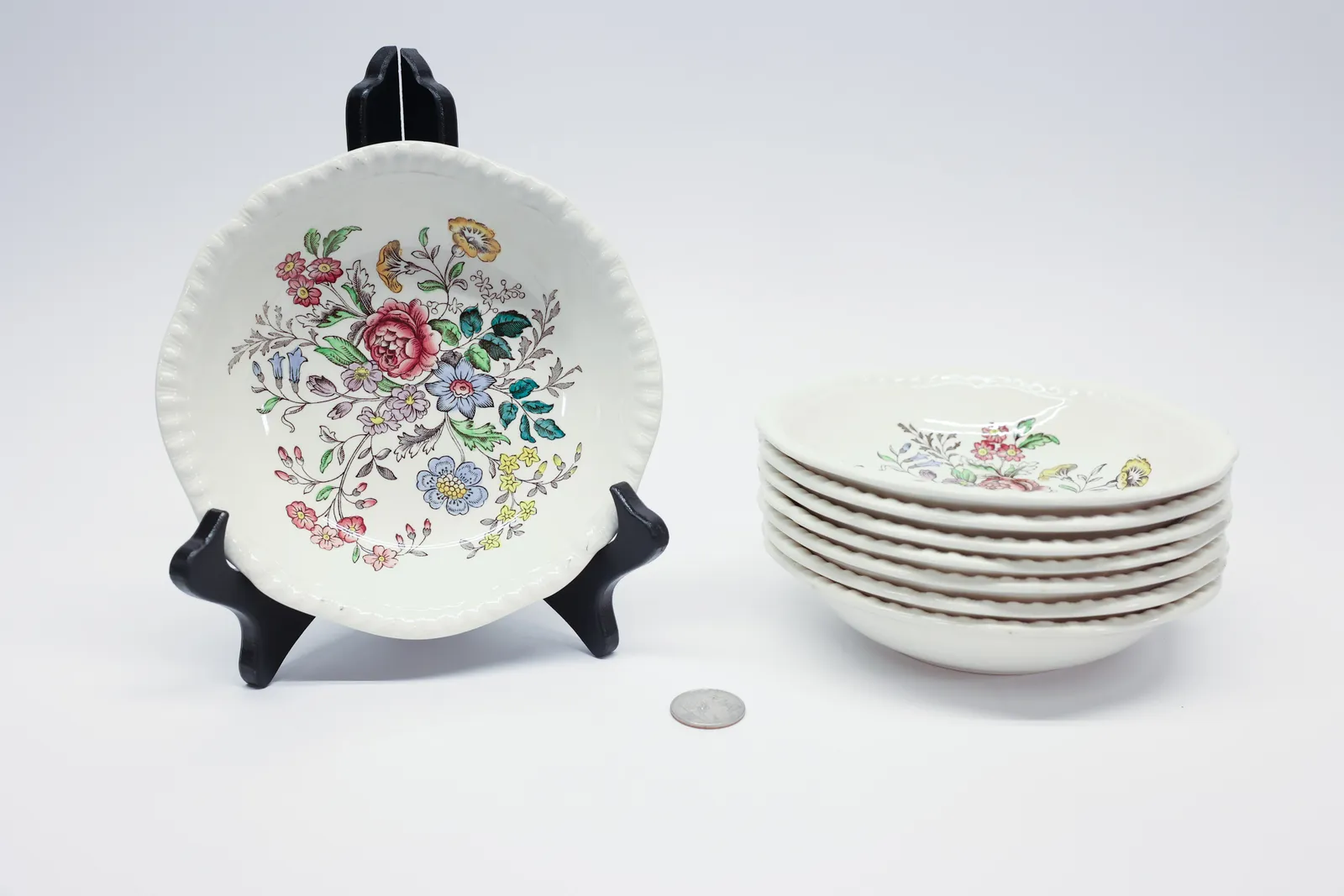
Spode is one of the most celebrated names in English ceramics, founded in Stoke-on-Trent, Staffordshire, by Josiah Spode I in 1770. Spode is an English brand of pottery and homewares produced in Stoke-on-Trent, England, founded by Josiah Spode in 1770, and was responsible for perfecting two important techniques that were crucial to the worldwide success of the English pottery industry in the 19th century: transfer printing on earthenware and bone china. Josiah Spode himself rose from humble beginnings, born in Lane Delph, Fenton, Staffordshire, the son of a pauper and orphaned by the age of six, before building one of the most influential potteries in British history.
The firm's reputation rests on genuine innovation rather than mere decoration. Spode is often credited with the establishment of blue underglaze transfer printing in Staffordshire in 1781–84, and with the definition and introduction around 1789–91 of the improved formula for bone china that thereafter remained the standard for all English wares of this kind. This mastery of underglaze transfer printing allowed intricate, richly detailed floral and scenic patterns to be reproduced with remarkable consistency across huge runs of tableware, a technical achievement that helped make fine English china affordable and fashionable in households worldwide.
The factory continued operating on its original Stoke-on-Trent site for generations, with three generations of the Spode family operating in Stoke-upon-Trent, the company continuing on the same site for nearly 250 years. Pieces bearing the Spode name are prized by collectors for this unbroken heritage of craftsmanship, the enduring popularity of its hand-engraved floral and chinoiserie patterns, and the historical significance of a maker whose technical breakthroughs shaped the entire English ceramics industry.
Sources:
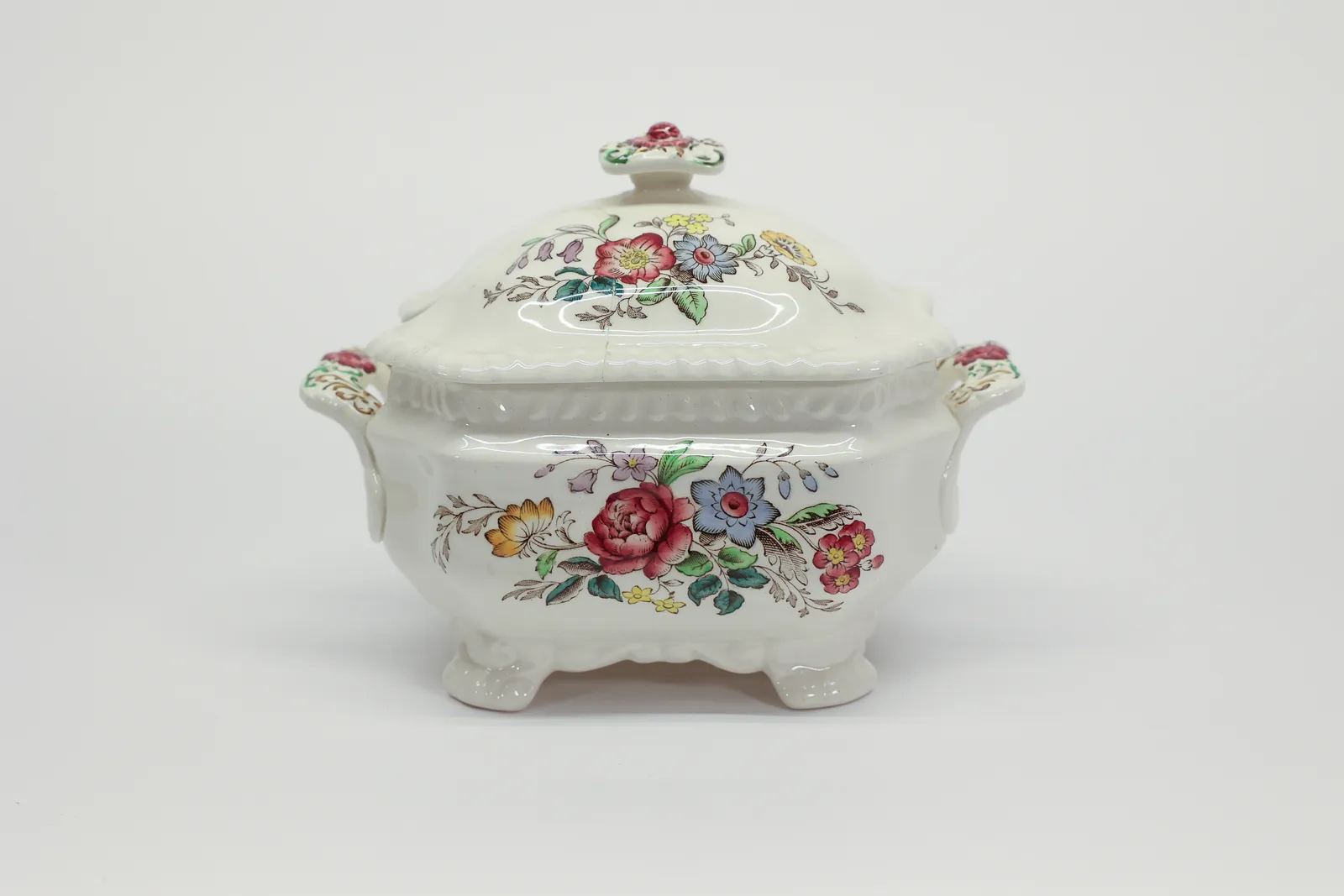
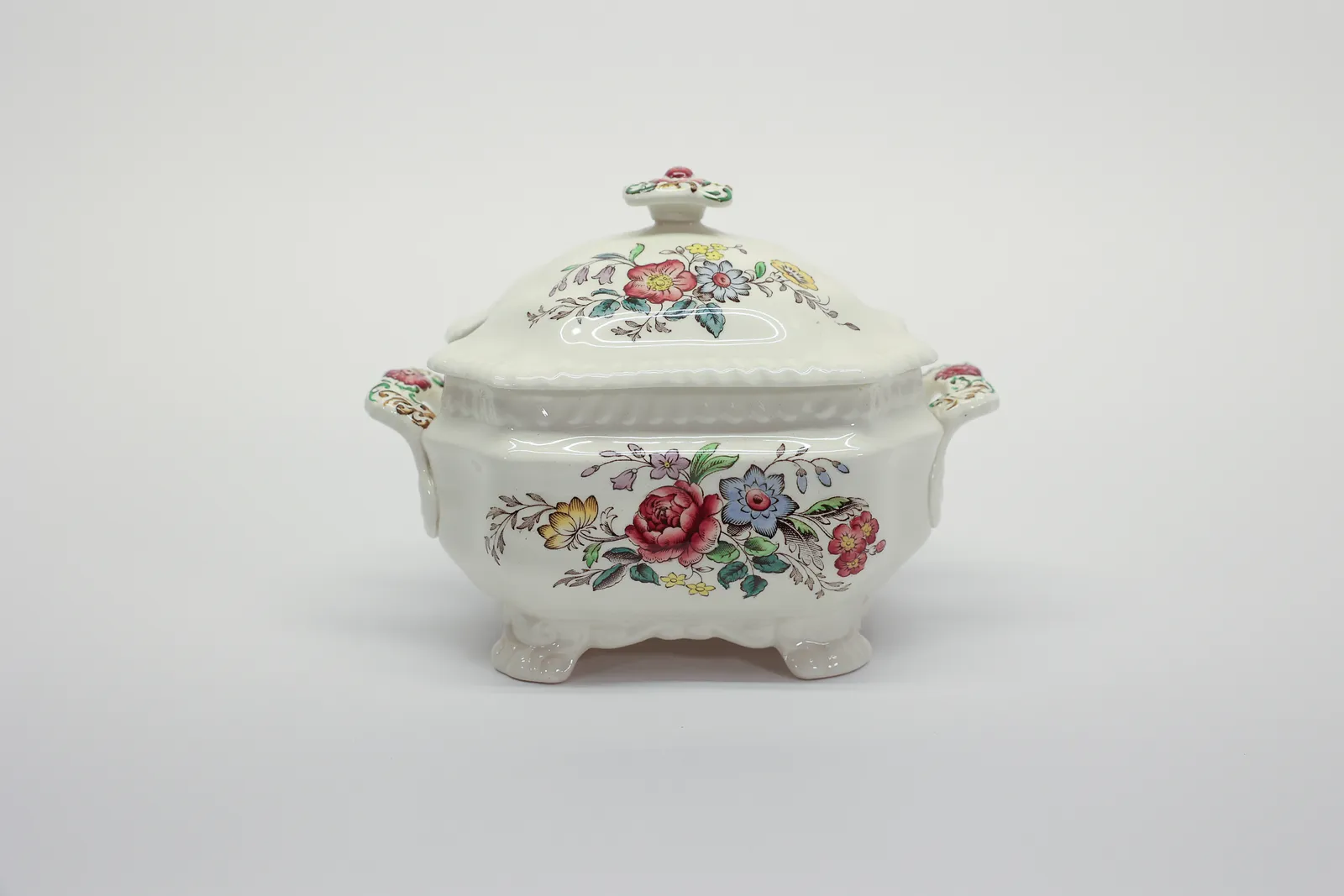
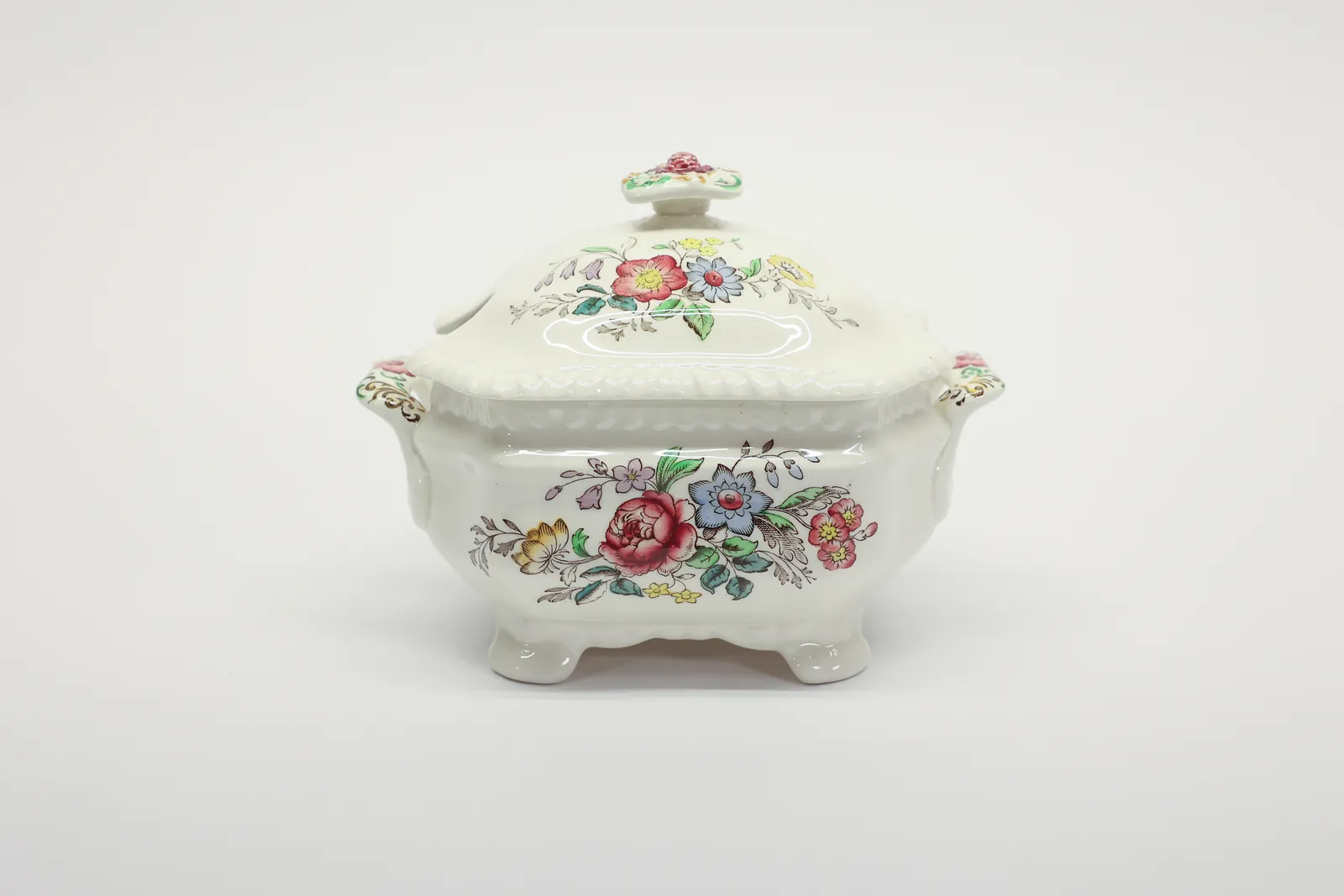
Pieces by Spode