Vera
If you have notes on accuracy, content, site links, or any other requests regarding this page, please get ahold of us at contact@hamiltonandsonsauctions.com.
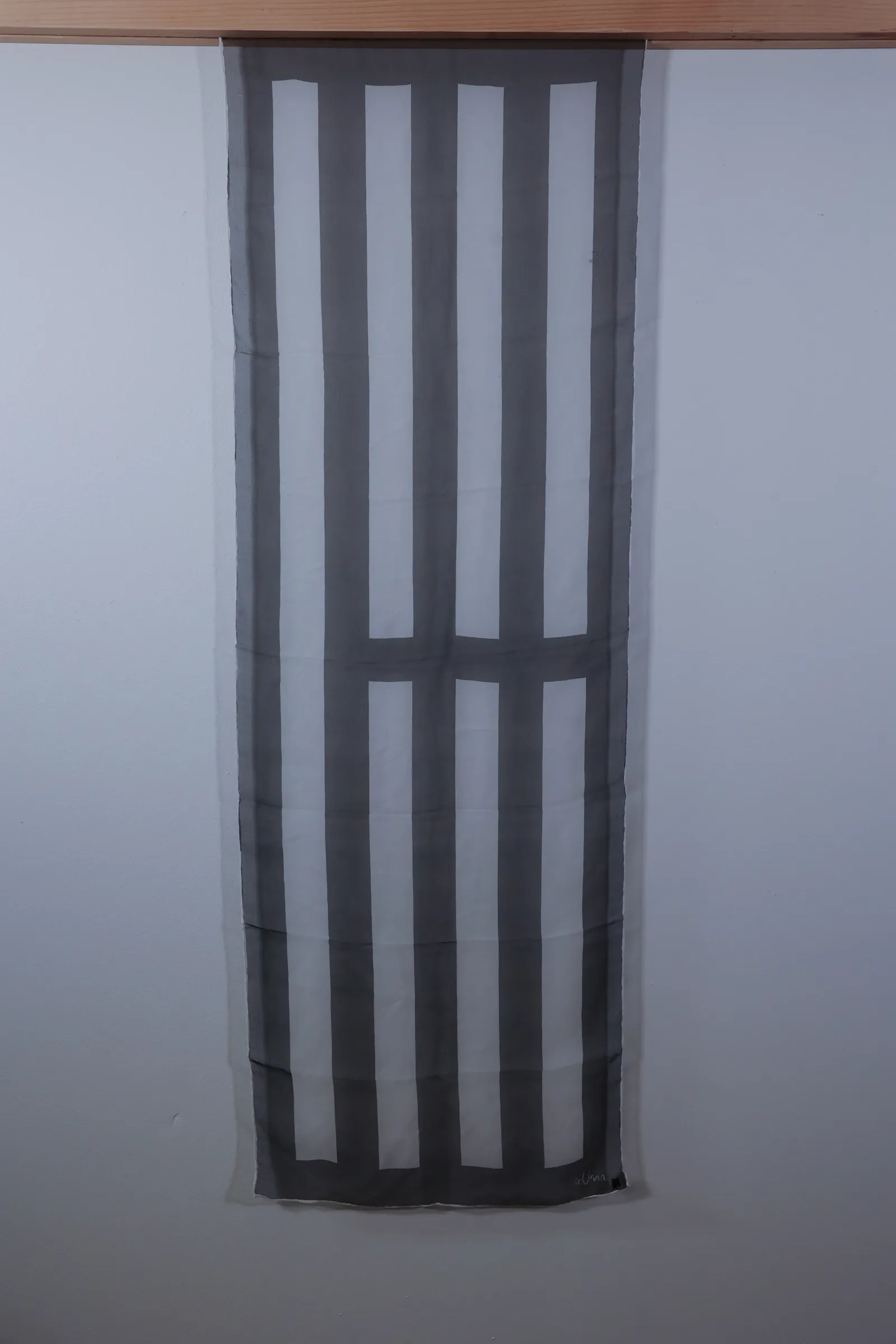
Vera Neumann (1907–1993) was an American textile designer and one of the most successful design entrepreneurs of the twentieth century, celebrated for launching scarves, linens, and clothing under the simple, cursive "Vera" signature. She was among the most successful female design entrepreneurs of the 20th century, and an originator of the American lifestyle brand, producing an iconic line of women's scarves all signed with a cursive "Vera" and stamped with a ladybug, as well as thousands of textile patterns based on her drawings, paintings, and collages. Her company, Printex, grew out of a small Manhattan apartment operation into a major manufacturing enterprise; it outgrew successive apartments before moving into a large derelict 1810 Georgian mansion near the Hudson River in Ossining, New York.
Neumann's rise to fame was tied to a wartime improvisation: with World War II in full swing, linen supplies dwindled, so she found parachute silk at an army surplus store, an event which marked the beginning of her scarf business, and she kept her signature on the art transferred to the scarves, creating the first signature scarf in history. She became one of the most prolific scarf designers of the mid-20th century, turning out as many as 600 designs a year between 1947 and 1992. Her graphic, colorful style—often drawing on Japanese sumi-e ink painting technique—translated fine art into accessible, mass-produced textiles for the home and body, and her fabrics extended beyond scarves into blouses, dresses, tablecloths, and napkins.
Pieces bearing the "Vera" signature are collectible today both for their design quality and for the brand's cultural cachet: her rising popularity brought friendships with notable women, and First Lady Bess Truman used Vera-designed fabric to decorate the White House solarium windows and upholstery. The signature style itself is a dating tool for collectors, since the earliest scarves from 1947 to the mid-1950s were signed "vera" in small lowercase print, the signature became capitalized in the late 1950s, and the ladybug symbol with copyright mark was added in the early 1960s, making each piece a small, dateable artifact of American mid-century design history.
Sources: