Oscar Bucher
If you have notes on accuracy, content, site links, or any other requests regarding this page, please get ahold of us at contact@hamiltonandsonsauctions.com.
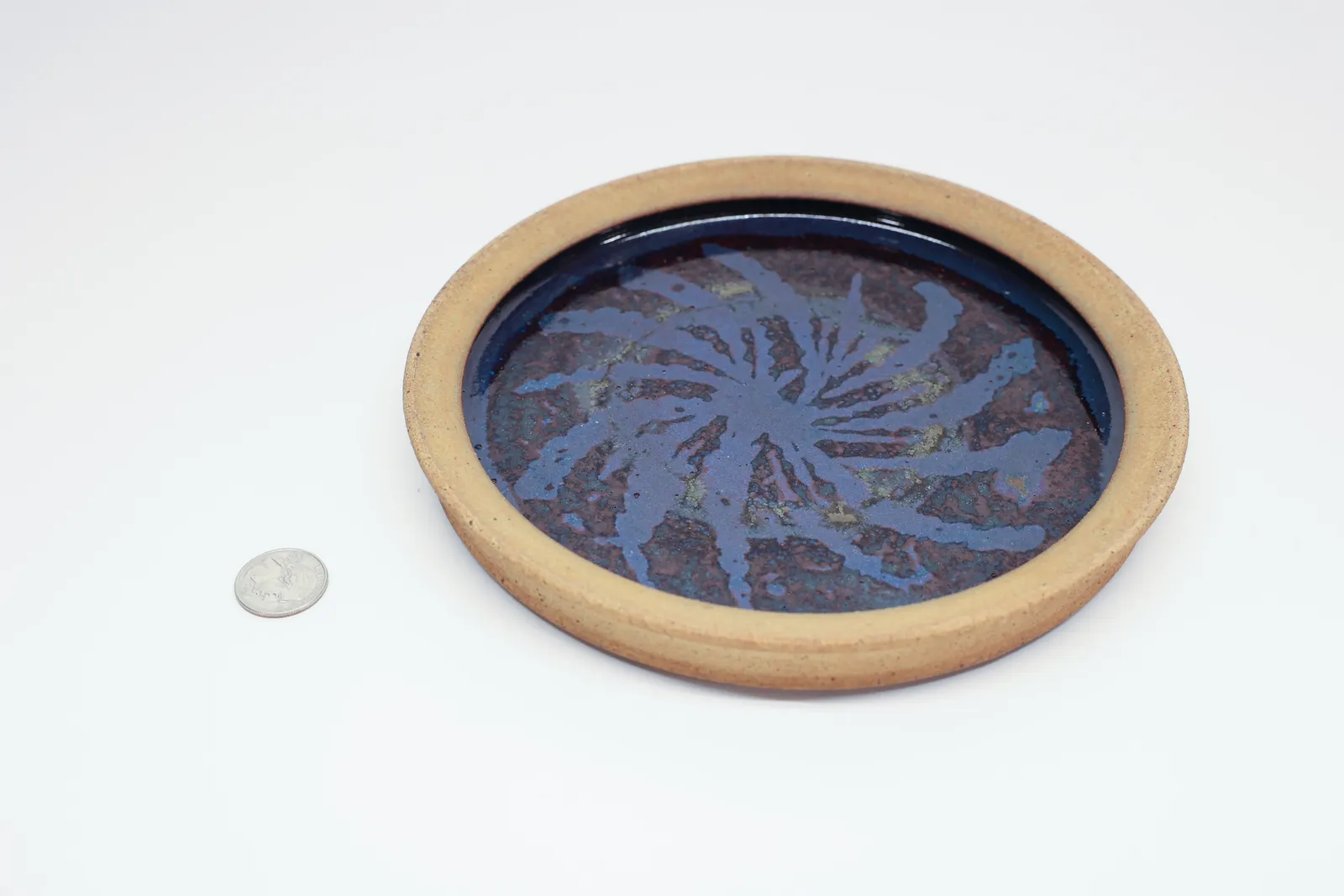
Oscar Bucher, born in 1931 and raised in Switzerland, first trained not in art but in business, completing studies in business and accounting and working as an auditor for the Arthur Andersen accounting firm in Milan and Paris. Finding office work unfulfilling, he returned to his first passion of working with his hands, which led him back to art school to study ceramics at the former Eidgenössische Keramische Fachschule in Bern. In 1960 he immigrated to Santa Barbara, California, to establish his own pottery studio.
In California, Bucher became a respected figure in the region's mid-century ceramics scene. His groundbreaking work consistently won awards and helped popularize high-fired ceramics in Southern California during the 1960s and '70s re-emergence of the Arts and Crafts movement. For decades he combined studio production with teaching, and he served as head of the Santa Barbara City College ceramics department for twenty-six years. He was also a member of the Ventura Potters' Guild and exhibited his pottery regularly in Southern California venues such as the Long Beach Museum of Art, the Ojai Art Center, the Ventura Potters' Guild, and the Oxnard Spring Art Festival. His reputation extended internationally as well, with his pieces exhibited in numerous museums and galleries throughout the United States, Europe and beyond, including the International Ceramic Competition in Faenza, Italy, and the Fletcher Ceramic International in Auckland, New Zealand.
Stylistically, Bucher's work draws on wide-ranging influences: Gertrude and Otto Natzler, Hans Coper, and contemporary Scandinavian pottery, as well as glazes of Asian origin such as celadon, oxblood, Shino and Chun. He became especially known for richly textured, self-formulated glazes; as he has described his own "Crater and Lava" surfaces, they "often have the appearance of Lunar Scapes, other times they resemble volcanic Lava flow." Achieving these effects required painstaking, repeated firing, since the pieces are multi-fired, glaze-fired to 2200°F, cooled, given additional glaze, and re-fired to 1850°F to create their unique surface textures. This combination of a distinctive personal glaze chemistry, a long teaching legacy shaping the regional studio pottery tradition, and decades of exhibition history makes his handmade stoneware and porcelain vessels sought after by collectors of California mid-century ce
Sources: