Rheingold
If you have notes on accuracy, content, site links, or any other requests regarding this page, please get ahold of us at contact@hamiltonandsonsauctions.com.
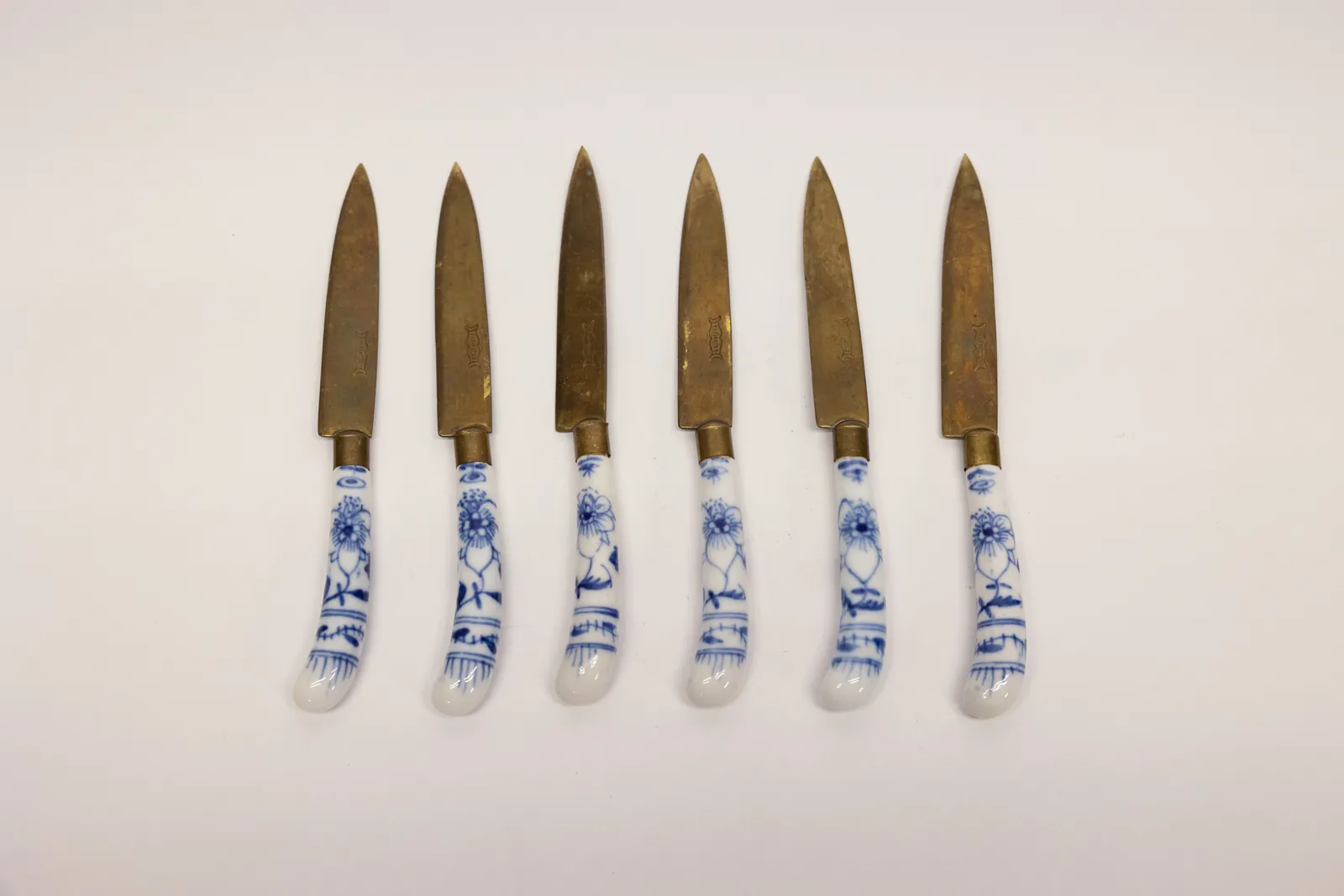
"Rheingold" was a trademark series name used on porcelain produced by the Porzellanfabrik Schlottenhof, a Bavarian factory located in the small town of Schlottenhof near Arzberg, in the traditional German porcelain-making region of Upper Franconia. The first large porcelain factory located in Schlottenhof was originally founded by L. Künzel in 1895, and Karl Seltmann took over the factory in 1897, after which it started to concentrate on kitchenware and slowly expanded. Karl expanded the production producing tableware until his death in 1927.
Ownership of the works passed through several hands over the following decades. After his death his sons-in-law took over, but in 1929, after a stock market crash, the assets were taken over by a bank; the factory was kept running intermittently until some of the company's shares were purchased by two ceramics workers in 1932, and the remainder in 1934, when the business was renamed Porzellanfabrik Schlottenhof G.m.b.H. The factory ran successfully through the 1950s, with a workforce approaching 200, but closed in September 1964, due to a lack of reinvestment in modern machinery. The "Rheingold" name appears on the firm's backstamps as one of its house decoration lines, marking hand-decorated tableware in the popular German cobalt-blue underglaze tradition exemplified by patterns such as the widely imitated Zwiebelmuster, or "blue onion," design that dominated European porcelain tableware production through the nineteenth and twentieth centuries.
Because the Schlottenhof factory operated for less than seventy years and ceased production in the 1960s, surviving pieces bearing its marks, including the Rheingold line, are relatively scarce compared to output from larger, longer-lived Bavarian houses such as Hutschenreuther or Rosenthal. Collectors of German regional porcelain and blue-and-white tableware value such pieces both for their craftsmanship and as tangible evidence of the many small, family-run factories that flourished in the Arzberg-Selb porcelain district before postwar industry consolidation reduced their number.
Sources: